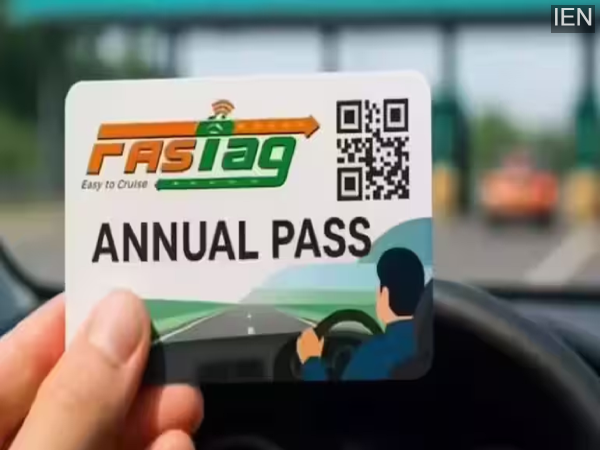
FASTag users across India are facing a new wave of cyber fraud involving fake websites and fraudulent QR codes. As digital toll payments become more common, scammers are exploiting the popularity of FASTag services to trick vehicle owners into sharing sensitive banking details. The National Highways Authority of India (NHAI) has issued an alert urging motorists to remain cautious and use only official channels for FASTag transactions.
Consider a situation where you are driving on a highway and suddenly receive a message warning that your FASTag balance is low or your tag will soon be blocked. The message urges you to recharge immediately by scanning a QR code or visiting a link that appears legitimate.
A sales professional from Delhi experienced this firsthand in January 2026. While passing through a toll plaza, he scanned a QR code displayed nearby, assuming it was official. After entering his FASTag details and completing the process, he discovered that ₹5,000 had been withdrawn from his bank account within minutes. Such incidents are becoming increasingly common across the country.
Cybercriminals use multiple tactics to deceive users. They send fake SMS or WhatsApp messages posing as official FASTag notifications. These messages often create urgency by claiming low balance, pending KYC verification, or offering discounted annual FASTag passes.
When users click the provided link or scan the QR code, they are redirected to fraudulent websites designed to look identical to official portals. These fake pages request information such as FASTag ID, vehicle number, mobile number, and OTP. Once users provide these details, scammers gain access to their bank accounts or FASTag wallets and transfer funds illegally.
In some cases, criminals even place fake QR code stickers on toll plaza signboards, making them appear official. Drivers scanning these codes unknowingly expose their personal and financial data.
Authorities have observed a rise in FASTag-related fraud since late 2025. The widespread use of digital toll payments has created new opportunities for scammers. Victims not only lose money but also risk identity theft and unauthorized use of their FASTag accounts.
These scams are particularly dangerous because they rely on panic and urgency. Users often act quickly to avoid inconvenience without verifying the authenticity of the message or website.
One of the most effective ways to avoid fraud is by checking the website address carefully. Official FASTag services are available only through authorized platforms such as government portals and registered bank applications.
Fraudulent websites often use similar names with slight changes to confuse users. They may look professional but contain unusual domain extensions or extra words. Official authorities never request confidential details such as OTP, PIN, or passwords through messages or phone calls.
Follow these important precautions to protect yourself:
Use official platforms only: Recharge FASTag through authorized bank apps, official portals, or trusted mobile applications.
Never share OTP or personal information: OTP and banking credentials should always remain confidential.
Avoid scanning unknown QR codes: QR codes placed in public areas or received through unknown messages may be fraudulent.
Verify before taking action: Always confirm the authenticity of any message or website before entering sensitive information.
Enable transaction alerts: Keep SMS and email alerts active to detect suspicious transactions immediately.
If you suspect fraud, act immediately to minimize losses. Contact your bank and request them to block your FASTag wallet or bank account if necessary. Report the incident on the national cybercrime portal and inform local authorities.
You can also contact the official FASTag helpline number 1033 for assistance and guidance.
The FASTag scam highlights the growing risks associated with digital payments. While online services offer convenience, they also require increased awareness and caution. Always verify before scanning QR codes or clicking recharge links.
A moment of careful verification can prevent financial loss and protect your personal data from cybercriminals.