AI Generated Summary
In Wim Wenders‘ recent film Perfect Days, the protagonist, a Tokyo toilet cleaner, spends much of his time in solitude. He tends to plants, reflects, listens to music, and reads.
While additional characters appear as the story unfolds, many viewers are captivated by the film’s early sequences. Nicholas Barber described them as a “meditation on the serenity of an existence stripped to its essentials.”
The film clearly resonates with audiences. Thoughtful and uplifting portrayals of being alone are increasingly visible across media, from podcasts to viral TikToks. This suggests there has never been a more culturally relevant time to enjoy solitude.
Over the past few years, multiple books exploring this theme have appeared, with more on the horizon.
Titles such as Solitude: The Science and Power of Being Alone and Solo: Building a Remarkable Life of Your Own were released in 2024. Nicola Slawson’s Single: Living a Complete Life on Your Own Terms hit shelves in February.
Last month, Emma Gannon released her highly anticipated novel Table For One. She transitioned from non-fiction works critiquing traditional definitions of success to a story exploring modern relationships. The novel celebrates a young woman’s happiness while alone, rather than paired with a partner.
Later this year, two more self-help guides, The Joy of Solitude: How to Reconnect with Yourself in an Overconnected World and The Joy of Sleeping Alone, are set for release. An English paperback translation of Daniel Schreiber’s Alone: Reflections on Solitary Living, originally published in Germany in 2021, is also coming.
A Shift in Mindset
Filled with insights and practical advice, this emerging wave of literature aims to normalize solitude and highlight its benefits.
Initially, this trend may seem surprising. Particularly in the post-pandemic context, discussions about the so-called “loneliness epidemic” were widespread. This term was popularized in 2023 by former US Surgeon General Vivek Murthy.
“After the pandemic, there was a strong focus on loneliness, for very good reasons,” notes Robert Coplan, a psychology professor at Carleton University in Ottawa and author of The Joy of Solitude.
Yet, he adds, the attention on loneliness unintentionally gave solitude a negative image. He explains it was like “throwing the baby out with the bath water.”
Now, the conversation is evolving. Experts stress the distinction between loneliness and solitude.
“Loneliness is a serious and harmful condition for some people,” explains journalist Heather Hansen, co-author of Solitude: The Science and Power of Being Alone. “But it is very different from solitude, which is actively chosen for positive reasons.”
She notes that many people are beginning to recognize the advantages of opting for solitude.
Emma Gannon, an advocate of “slow living,” agrees. She says, “I believe the pandemic helped people differentiate between loneliness and chosen solitude. Whether isolated with loved ones or alone for months, we learned to have nuanced conversations about the difference between isolation and joyful alone time.”
This cultural moment also reflects a generational reevaluation of relationships. Millennials and Gen Z are increasingly embracing single life and reconsidering traditional expectations around partnerships.
Gannon’s Table For One may depict one young woman’s journey. But it resonates widely with readers challenging societal pressures to “settle down.”
A 2023 US survey found that two out of five millennials and Gen Z adults view marriage as outdated. In the UK, only slightly more than half of Gen Z men and women are projected to marry, according to the Office of National Statistics.
In April, a TikTok video exploring the perspective of dating women who prefer living alone went viral. It amassed over a million likes and tens of thousands of comments.
Nicola Slawson attributes this response to a growing number of solo dwellers in the UK over the past decade. This shift is fostering wider acceptance of independence and freedom, particularly for women rejecting outdated domestic expectations.
A Historical Appreciation
The appeal of solitude is far from new.
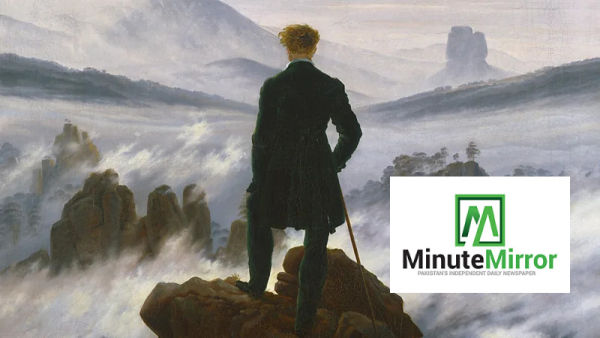
Artists have long captured its essence. German Romanticist Caspar David Friedrich’s Wanderer Above the Sea of Fog (c. 1817) is part of Hamburg’s Kunsthalle collection.
20th-century US painter Edward Hopper is celebrated for his depictions of solitary city life. A New Yorker review of Hopper’s 2022 retrospective noted that while his subjects are isolated, his portrayals feel self-reliant rather than grim.
Daniel Schreiber highlights that society has historically overestimated the link between living alone and loneliness.
He says, “We now understand that romantic love is not the only life path. There are multiple ways to live, and traditional romantic relationships are not essential.”
Peter McGraw, a marketing and psychology professor at the University of Colorado and author of Solo: Building a Remarkable Life of Your Own, echoes this perspective.
“Mythology surrounds single living, and the history of marriage as mostly a business arrangement is often overlooked,” he explains. “Rom-coms, love songs, and Jane Austen novels suggest that fulfillment requires a partner. But data shows otherwise. Even if happiness temporarily spikes around marriage, it often doesn’t last.”
Making the Most of Solitude
Even within partnerships, routines can be adjusted to accommodate more alone time. Cynthia Zak highlights this in The Joy of Sleeping Alone.
Observing that many women prefer sleeping solo, Zak wrote her book advocating for personal space, freedom of expression, and the opportunity to release fears and limiting beliefs.
So how can one embrace solitude successfully? Experts emphasize balance and choice.
Heather Hansen notes, “The clearest sign of success in solitude is that a person chooses it, believing it has significance. Solitude is a neutral canvas; it can be shaped in any meaningful way.”
McGraw suggests using alone time creatively rather than passively. Ideas include taking walks or runs, observing life at a café, visiting museums, soaking in a bath with music, or exploring online courses. The idea is to actively engage with your time rather than simply fill it.
For those who are single, Nicola Slawson encourages leaning into solitary joy instead of viewing it as temporary. She says, “Don’t wait until you’re ‘settled down’ to live fully. Squeeze as much joy as possible from the life you have now.”
McGraw adds, “Society used to offer only one script, but today we have alternatives.”
Solitude also nurtures creativity and self-reflection. Gannon recommends treating it as an adventure and reconnecting with the senses.
“Notice the texture of your blanket, the sound of music, the flavors of your food,” she says. “What can you see, smell, touch, and sense when you are alone?”
Zak suggests establishing rituals around moments of solitude to deepen relaxation and reflection. “Identify what you most enjoy being alone with. Make it a special moment and nurture it regularly.”
Ultimately, social interaction and solitude are both essential.
“Humans need connection, but they also need alone time,” concludes Coplan. “Finding the right balance is key to happiness and wellbeing, and it differs for everyone.”
We welcome your contributions! Submit your blogs, opinion pieces, press releases, news story pitches, and news features to opinion@minutemirror.com.pk and minutemirrormail@gmail.com