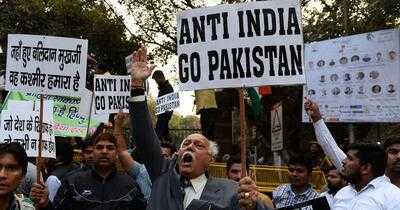
In February 2016, Jawaharlal Nehru University became the epicentre of one of India’s most polarising debates on nationalism, dissent, and free speech after a campus event triggered a sedition case against Kanhaiya Kumar, the head of the students’ union, and nine other students.
A decade later, the matter is in a legal stalemate.
The Delhi Police has filed a chargesheet against the accused but the trial cannot begin until the Supreme Court decides whether the offence of sedition remains on the statute book.
Introduced by British colonialists, sedition criminalises attempts to excite disaffection towards the government established by law. The provision has long been criticised for its vague and expansive wording, which critics argue enables its misuse against dissent and political speech.
In the JNU sedition case, for instance, the Delhi Police’s chargesheet states that the accused shouted slogans that supported the secession of Kashmir, criticised the Indian state, and expressed solidarity with Afzal Guru, who had been convicted in the 2001 Parliament attack case.
But in submissions to a trial court in Delhi, lawyers representing the accused have disputed the authenticity of the video clips and the witness statements the police have relied on. They have also argued that even if some slogans were shouted, they do not amount to sedition.
Here, the lawyers...
Read more