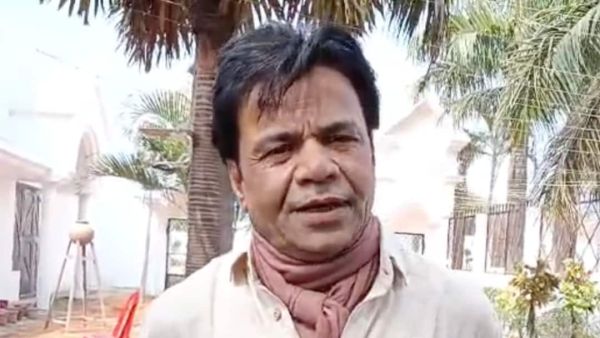
Rajpal Yadav Cheque Bounce Case: Bollywood actor Rajpal Yadav, who recently came out of Tihar jail on an interim bail in connection with a cheque bounce case, has demanded designated smoking areas inside prisons.
Speaking to reporters, the 54-year-old actor said that jails should have a smoking room, similar to those found at railway stations and airports. “If smoking areas exist everywhere, at airports and other public places, then jails should also have a designated space for it,” Yadav said.
He clarified that he was not promoting tobacco use, saying that despite its harmful health effects, people continue to smoke and such products are legally sold across the country. “We are not saying we want to promote smoking. But smoking happens, and these products are sold, from gutkha and tobacco mixtures to bidis and cigarettes,” he said.
Rajpal also admitted that he is a smoker and has tried several times to quit. “I myself am a victim of smoking. I’ve tried many times to quit. I’m not lying about it,” he said.
Yadav said his request was aimed at maintaining hygiene in prisons and ensuring smokers do not face additional health risks. “There should be a designated area in jail so that things don’t become dirty. At the very least, smoking is harmful to health,” he added, suggesting that every ward should have one or two smoking areas.
Rajpal Yadav has been granted temporary relief by the Delhi High Court to attend his niece’s wedding in Shahjahanpur. The interim bail was issued after Yadav deposited Rs 1.5 crore toward his outstanding debt. This development follows his recent surrender at Tihar Jail, which occurred after the court denied his request for further payment extensions.
The legal dispute dates back to 2012, when Yadav borrowed Rs 5 crore to finance his directorial debut, Ata Pata Laapata. Despite the film’s failure at the box office, Yadav was contractually obligated to repay the lender. When the repayment cheques began to bounce, the lender, who had reportedly borrowed the funds himself to assist the actor, initiated legal proceedings.
A magistrate’s court subsequently found Yadav guilty of cheque dishonour and sentenced him to six months in prison. While the High Court initially stayed the sentence based on Yadav’s promise to settle the dues, his failure to honour those commitments led to the court’s recent order to serve his jail term.