
Your home may feel like the safest place for your dog, but hidden in plain sight are everyday items that could pose serious health risks. From kitchen staples to cleaning essentials, many common products contain substances that can trigger vomiting, seizures, organ damage, or worse in dogs.
Pet parents often assume that toxicity only comes from obvious chemicals. The reality? Some of the biggest dangers are items you use daily without a second thought. Here are eight everyday household items every dog owner should be aware of.

Chocolate remains one of the most common causes of dog poisoning worldwide. It contains theobromine and caffeine, stimulants that dogs cannot metabolise efficiently. Dark chocolate and baking chocolate are particularly dangerous because they contain higher concentrations of these compounds. Even small amounts can lead to symptoms such as vomiting, diarrhea, rapid breathing, increased heart rate, tremors, and in severe cases, seizures. The risk depends on the dog’s size and the type of chocolate consumed, but there is no “safe” amount.

Also known as mothballs, commonly used to protect clothing from insects, these balls contain chemicals such as naphthalene or paradichlorobenzene, both of which can be highly toxic to dogs. Their strong smell may attract curious pets, especially if stored at ground level. If ingested, mothballs can cause vomiting, seizures, anemia, and damage to the liver or nervous system. Even inhalation in poorly ventilated spaces can lead to respiratory irritation. Because mothballs are often placed in closets, storage boxes, or under beds, pet owners may overlook the danger.

Several popular houseplants can be toxic to dogs if chewed. While the severity varies, some plants can cause vomiting, drooling, and gastrointestinal distress. Dogs, especially puppies, tend to nibble on leaves out of boredom or curiosity. Placing plants out of reach or choosing pet-safe varieties can help reduce risk. Before bringing a new plant home, verify whether it is safe for pets. A small decorative choice could prevent an avoidable emergency.
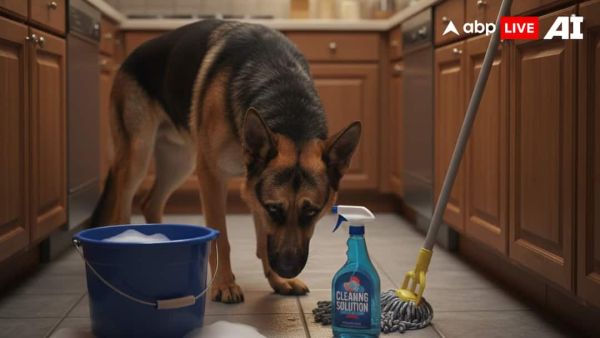
Floor cleaners, disinfectants, bleach, and toilet bowl cleaners contain chemicals that can irritate or burn a dog’s mouth, skin, and digestive tract. Dogs are especially vulnerable because they explore surfaces with their noses and tongues. Even walking across a recently cleaned floor and licking their paws can lead to ingestion. Symptoms may include drooling, vomiting, skin irritation, breathing difficulty, or chemical burns. Always allow surfaces to dry completely before letting pets roam freely.

Essential oils are widely used in diffusers, skincare, and home remedies, but certain oils can be harmful to dogs, especially when concentrated. Tea tree oil, eucalyptus oil, peppermint oil, and citrus oils may cause irritation or toxicity if ingested, inhaled in high amounts, or absorbed through the skin. Dogs have a highly sensitive sense of smell, and prolonged exposure to diffused oils in enclosed spaces may cause coughing, sneezing, drooling, or breathing difficulty. Direct skin contact can lead to redness, irritation, or even neurological symptoms in severe cases.

Fragrance products like scented candles, liquid potpourri, and wax melts can contain essential oils and chemical compounds that irritate a dog’s respiratory system. Curious dogs may also lick spilled liquid potpourri, which can cause chemical burns in the mouth. Symptoms may include drooling, pawing at the mouth, coughing, vomiting, or lethargy. In poorly ventilated rooms, strong artificial fragrances can trigger breathing discomfort, especially in smaller breeds or dogs with existing respiratory issues.

While not chemically toxic, plastic wrap and aluminium foil can become dangerous if ingested. Dogs attracted by leftover food scents may swallow these materials, leading to choking hazards or intestinal blockages. A blockage can cause symptoms such as vomiting, abdominal pain, constipation, loss of appetite, and lethargy. In severe cases, surgical intervention may be required.

Painkillers, antidepressants, cold medicines, and vitamins can be extremely dangerous for dogs. Common medications like ibuprofen or acetaminophen can cause stomach ulcers, liver damage, or kidney failure in pets. Dogs may chew through pill bottles out of curiosity or accidentally ingest dropped tablets. Symptoms vary depending on the drug but may include vomiting, tremors, disorientation, or internal bleeding. Never administer human medication to a dog without veterinary advice.
[Disclaimer: The information provided in this article is intended for general informational purposes only. It is not a substitute for professional veterinary advice, diagnosis, or treatment. Always consult a qualified veterinarian regarding your pet’s health, diet, or any medical concerns.]