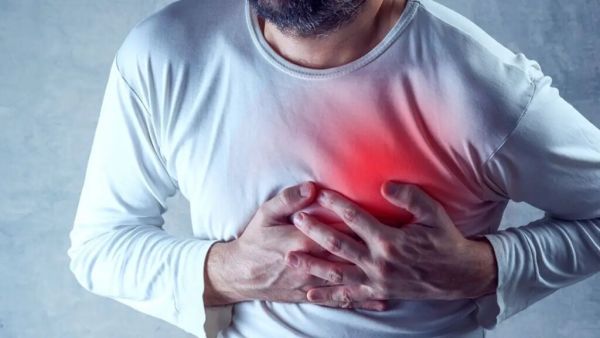
Lifestyle News: Many people believe that heart attacks occur suddenly and with severe pain, as shown in movies. A leading cardiologist from California has proved this notion wrong. He says that our small carelessness can be fatal. Dr. Sanjay Bhojraj, who has over 20 years of experience, warns that heart attacks do not happen overnight, but develop gradually in our body over years.
Dr. Bhojraj said in a post on Instagram that the biggest myth about heart attack is that it comes without any warning. In fact, in very few cases it starts directly with chest pain. Most people do not recognize the early symptoms of a heart attack because they wait for bigger symptoms.
India has seen an alarming increase in heart attack cases in 2026, especially among young and middle-aged people. Among heart- diseases, 45-50% of cases are asymptomatic (silent) heart attacks. Statistics show that Indians develop heart disease 5-10 years earlier than other countries, often in their 30s and 40s.
Doctor shares a bitter truth about routine medical check-ups. He has urged people not to be satisfied with seeing ‘normal’ in their lab reports.
Need for Deep Analysis: Cholesterol patterns, signs of inflammation, and long-term blood pressure trends are often missed in standard check-ups.
Warning for the future: The doctor says, “I have treated many patients. The problem is not that heart disease occurs suddenly, but that it grows silently. Prevention does not mean waiting for symptoms, but understanding your risk in time.”
Dr. Bhojraj said that while working in the emergency ward, the first reaction of most heart attack patients is, “I never thought this would happen to me.” The danger in his body had been growing for 5, 10 or 15 years, but no one recognized those warning signs in time.
Now is the time that instead of treating heart damage, we focus on prevention as per our medical history. As Dr. Bhojraj says, “Don’t wait for your body to warn you.”
Vegetables and Fruits: Green leafy vegetables, broccoli, carrots, berries, apples and citrus fruits are rich in vitamins and antioxidants.
Whole grains: Oats, barley, quinoa and brown rice help reduce LDL (bad) cholesterol.
Fatty Fish: Salmon, mackerel and sardines contain omega-3 fatty acids which reduce inflammation.
Healthy Fats and Nuts: Olive oil, walnuts, almonds, flax seeds and chia seeds.
Legumes: Beans, lentils and chickpeas are excellent sources of plant-based protein.
Lean Protein: Skinless chicken, turkey and tofu.
Low-Fat Dairy: Skim milk and Greek yogurt (unsweetened).
Salt/Sodium: Eat less processed, canned and fast foods to keep sodium under 1,500-2,300 mg daily.
Saturated and Trans Fats: Avoid butter, lard, fried foods and high-fat dairy products.
Red and processed meat: Eat less beef and avoid bacon, sausage and hot dogs.
Added Sugar: Eat less sweet drinks, snacks and desserts.