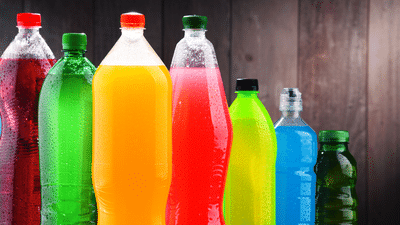
In recent years, an increasing number of alcohol-free beverages have become available. Alcohol-free beers, zero-proof wines, ready-made mocktails, fermented drinks, and flavour-infused sparkling waters have replaced the simple juices and soft drinks of the past. These options are becoming increasingly common in dining establishments, social gatherings, and even refrigerators at home.
Understanding this growing trend requires looking beyond the name on the bottle and focusing on what truly matters for maternal comfort and safety.
Why Non-Alcoholic Beverages Feel Appealing During PregnancyPregnancy brings emotional, physical, and social changes all at once. Food and drink choices suddenly feel loaded with responsibility, and alcohol becomes an obvious no. In this space, non-alcoholic beverages appear to fill a gap.
They appeal because they allow you to blend in socially, especially in situations where drinks are central to conversation. They also carry an image of being modern, mindful, and health-conscious. For some, they feel like a reward or indulgence that replaces alcohol without breaking “rules.”
This request makes sense. Pregnancy might already feel like a lot of work, so minor luxuries areessential, but comfort shouldn't come at the expense of bodily discomfort or uncertainty about safety.
What “Non-Alcoholic” Actually Means
One of the most misunderstood aspects of these beverages is the term “non-alcoholic” itself. In many cases, it does not mean zero alcohol. It's also essential to consider ingredients such as artificial sweeteners, preservatives, and flavourings, as they can affect pregnancy safety and comfort.
Some non-alcoholic drinks may contain:
- Trace alcohol is produced naturally during fermentation
- Residual alcohol left after partial removal
- Alcohol is formed from fruit or grain-based ingredients
These amounts are usually small, but pregnancy is a time when even minor uncertainties warrant attention, particularly when consumption becomes frequent rather than occasional. Limiting intake and monitoring how often you drink non-alcoholic beverages can help prevent unintended effects on your pregnancy.
How Pregnancy Changes the Way Your Body RespondsWhen a woman is pregnant, her body processes food and drinks differently. Your metabolism changes, your digestion slows down, and you become more sensitive to some chemicals. Changes in hormones can make your body react more strongly to sugar, caffeine, carbonation, and other chemicals.
Even the way things taste changes, making some drinks taste too strong or bad. This heightened sensitivity is your body’s way of protecting itself and the developing baby. Paying attention to these signals matters more than following trends. Listening to your body can help you feel more in control and reassured about your decisions.
Different Types of Non-Alcoholic BeveragesNot all non-alcoholic beverages are the same, and lumping them together can be misleading. Each category comes with its own considerations.
Fermentation and alcohol removal are common steps in making alcohol-free beers and wines. These steps can leave behind traces. Mocktails in bottles can include a lot of sugar and preservatives. People say that fermented drinks are suitable for your gut, although they can be sour and bubbly. Flavoured sparkling waters look light, but theymay contain artificial sweeteners.
Sugar Content and Blood Sugar SwingsMany non-alcoholic beverages rely heavily on sugar to mimic the taste and mouthfeel of alcohol-based drinks. Pregnancy already affects how your body manages blood sugar.
Eating a lot of sugar might make your energy levels go up and down quickly. It can also make you thirstier, bloated, and heavier. Over time, sugary drinks that you consume a lot of may replace healthier drinks like water.
Artificial sweeteners, which are typically used instead of sugar, may not boost blood sugar, but they can still upset your stomach or leave a harsher aftertaste when you're pregnant. During pregnancy, being mindful of how much sugar is in drinks and choosing natural, less-processed options will support your health.
Ease in Social Situations vs. HealthOne reason non-alcoholic drinks are appealing is that they make it easier to socialise. When you hold a drink, people are less likely to ask you questions or give you advice. It lets you stay interested without making a scene.
But your physical health should come first. If a drink makes you feel bloated, restless, or anxious, the social benefits may not be worth the pain. During pregnancy, it's often best to listen to your body rather than do what others expect of you.
The Role of Frequency and HabitHaving a drink without alcohol at a party every once in a while is totally different from drinking every day. How often you eat certain foods affects how they influence your body over time. Being aware of how often you give in to your cravings might help you feel responsible and in charge of your health while you're pregnant.
Taking it regularly may:
- Increase the amount of sugar you eat without knowing it
- Replace fluids that are more hydrating and nourishing
- Change how well you sleep and how well you digest food.
Simple Alternatives That Often Feel BetterMany pregnant women say simpler drinks help them more than packaged ones. Homemade or less processed options keep you hydrated without any shocks.
Some examples include water with fruit, watered-down fresh juices, coconut water, and warm drinks that help with digestion. These options might not seem trendy, but they are often better for a pregnant body. Sometimes, it's better to know what to expect than to try something new.
Emotional Pressure Around “Perfect” ChoicesPregnancy is filled with advice, judgment, and conflicting opinions. Drink choices often become moralised, creating unnecessary stress.
It's not good for you to worry about every sip. Awareness is supposed to give you power, not take it away. You can make a calm decision instead of one based on fear if you know why a choice feels good or bad. Emotional well-being is better for your health than strict regulations.
More people are choosing non-alcoholic drinks, which is part of a larger trend toward living more mindfully. However, being pregnant needs even more mindfulness. It may appear like these drinks are safe alternatives, but their contents, sugar levels, and manufacturing techniques are very different.
Sometimes eating something is easier than eating it all the time, and simpler options may help you stay hydrated better. You may safeguard both your physical comfort and your emotional serenity throughout pregnancy by reading labels, limiting how often you do things, and paying attention to how your body feels.
FAQs on The Growing Trend of Non-Alcoholic Beverages and Their Safety in Pregnancy
Are drinks that don't have any alcohol in them really alcohol-free?
Not always. Some drinks that indicate they are non-alcoholic may nonetheless have minor amounts of alcohol because of fermentation or processing.
What are safer choices for women who are pregnant?
Water, flavoured water, coconut water, and fresh juices are frequently healthier and more dependable options for staying hydrated when consumed in moderation.