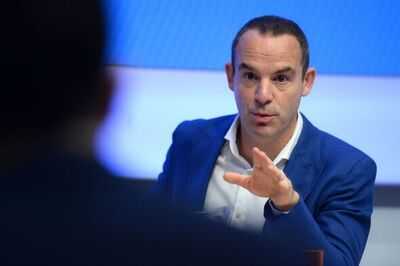
Martin Lewis has revealed a little-known saving rule that protects balances up to £1.4million. He explained the Financial Services Compensation Scheme (FSCS) increases its protection limit when somebody is more likely to have a substantial balance in their account following a major life event.
The FSCS usually protects people's money up to £120,000 if their UK-authorised bank, building society or credit union goes out of business and cannot pay them back. However, this rule means that people can feel a sense of security when they have unusually large sums in their accounts.
Eligible life events may inlcude selling a house, receiving inheritance, a redundancy payment, or benefits paid when a person retired. The claimant will need to provide proof that the funds were tied to a life event, such as a property sale agreement or a will.
He addressed the scheme when a caller posed a question to his podcast, asking how she could protect roughly £250,000 from an upcoming house sale, while they were searching for a new home.
"We need to make sure that while you are temporary custodian of it as cash, it is in a safe place earning you the maximum amount of interest possible," said Mr Lewis.
"Actually, as you've got money from the sale and completion of a house, you are actually covered by the lifetime event rule that says you're covered for up to £1.4million, per financial institution, per person, for six months."
The additional compensation limit is per person, per qualifying life event, so people with joint accounts may be able to get a higher level of protection. Each named person would benefit from FSCS protection of up to £1.4million.
Once FSCS has approved the satisfactory claim, it said claimants will be paid within three months.
It is important to note that proceeds from second homes or buy-to-let properties are not covered. The higher level of cover only applies to a person's main residence.
The FSCS stressed that its list of major life events is not exhaustive, and the claim will depend on individual circumstances.
Eligible major life events may include