The Union government is preparing to roll out a nationwide Human Papillomavirus (HPV) vaccination campaign within a week, aimed at reducing the burden of cervical cancer among young women in India, government sources familiar with the development have told News18.
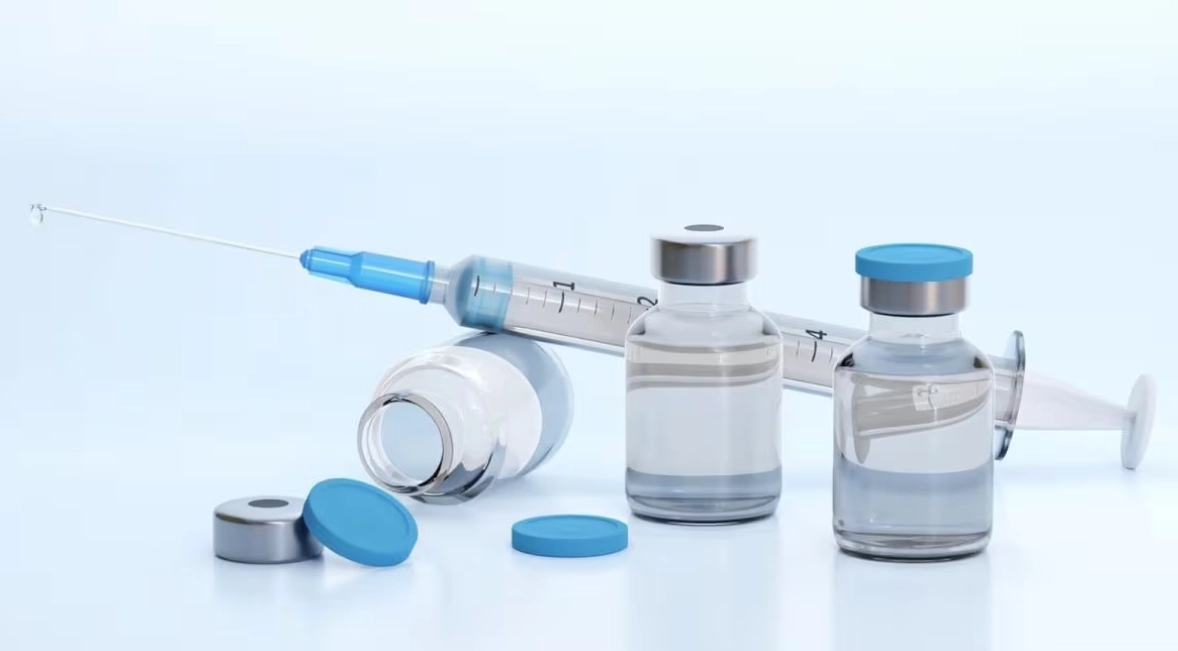
The campaign will provide MSD’s Gardasil 4 HPV vaccine free of cost to eligible beneficiaries through government health facilities across the country. In the private market, the vaccine costs around Rs 4,000 per dose.
Gardasil 4 protects against four HPV strains—6, 11, 16 and 18. “Of these, strains 16 and 18 are considered high-risk and are responsible for nearly 83 per cent of cervical cancer cases in India. Globally, these strains are responsible for over 70 per cent of cases," a senior official familiar with the development said, while explaining why the Centre has chosen the Gardasil vaccine. “This initiative represents a decisive step towards eliminating cervical cancer, one of the leading causes of cancer-related deaths among women in the country."
Under the proposed rollout plan, a single-dose schedule will be followed. “WHO’s SAGE panel, as well as India’s top panels on vaccination, have approved the single-dose usage of Gardasi,l considering it to be equally effective to a double or multi-dose vaccine."
Cervical cancer is the second most common cancer among women in India, with over 78,000 new cases and 42,000 deaths reported in 2024. The campaign will run in campaign mode for 90 days, followed by integration into routine immunisation days.
Who Is Eligible And Where To Go?
The vaccination process will be integrated with the U-WIN digital platform, similar to the CoWIN system used during the COVID-19 vaccination drive. From slot booking to certification, the entire process is likely to be digitised.
The campaign will primarily target girls in the 14 to 15-year-old age group. “Those who have just turned 14 will remain eligible until they turn 15. In addition, girls who turn 15 at the time of launch will be allowed a three-month window to receive the vaccine. The vaccine will be available free of cost only within this eligibility bracket," the source quoted above said.
“The campaign will target 14-year-old girls across India, covering an annual cohort of approximately 1.15 crore girls each year. Vaccination will be provided free of cost, voluntary, and administered only with parental consent," he said.
Vaccinations will be administered at all government health facilities, including Ayushman Mandirs, government medical colleges, district hospitals, and primary and community health centres. Each vaccination team will include a vaccinator, mobiliser, verifier, and volunteer.
All sessions will be linked to 24×7 health facilities for AEFI (Adverse Events Following Immunisation) management, with helplines available for parental queries. “Health workers across 36 states and Union Territories have been trained for the rollout, with doctors and trained healthcare staff overseeing implementation."
Who Is Supplying The Vaccine & How Safe Is It?
On the supply front, Gavi has committed to providing 2.6 crore doses of Gardasil between 2025 and 2027. Of these, around 1.5 crore doses have already reached India. The government officials estimate that India requires approximately 1.15 crore doses annually to cover girls turning 14 each year.
“Since the introduction of Gardasil in 2006, over 50 crore doses have been administered worldwide, with no serious safety concerns reported except rare cases of anaphylaxis," the official quoted above said.
The vaccine is non-live, recombinant, and cannot cause HPV infection.
“HPV vaccines are 93-100 per cent effective in preventing cervical cancer. Global studies, including trials in Kenya and Costa Rica, confirm that a single-dose schedule provides protection comparable to two or three doses, with efficacy sustained for over a decade," the official explained.
HPV Campaign On PM Modi’s Radar
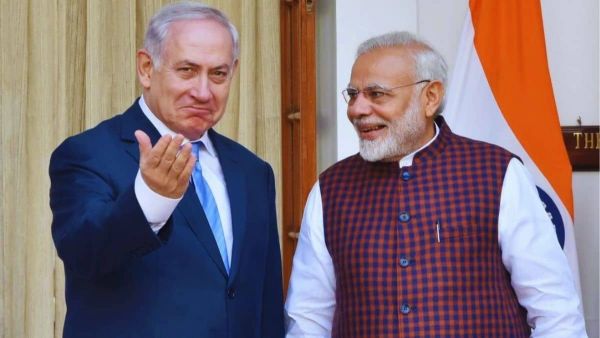
The government’s intent to expand access to HPV vaccination had earlier been articulated at the highest level. In an interaction with philanthropist Bill Gates, Prime Minister Narendra Modi had said: “In the coming days, I want to talk about cervical cancer, especially for our daughters. I want to give a budget to our scientists in India… and with very little money, I want to vaccinate all the daughters in my country so that they are protected from cancer. I am working in that direction these days."
The broader policy push was also highlighted by Finance Minister Nirmala Sitharaman during her Interim Budget 2024–25 speech, where she stated, “Our government will encourage vaccination for girls in the age group of 9 to 14 years to prevent cervical cancer."
The upcoming rollout, if implemented as planned, would mark one of the largest adolescent vaccination drives focused specifically on cancer prevention in the country.