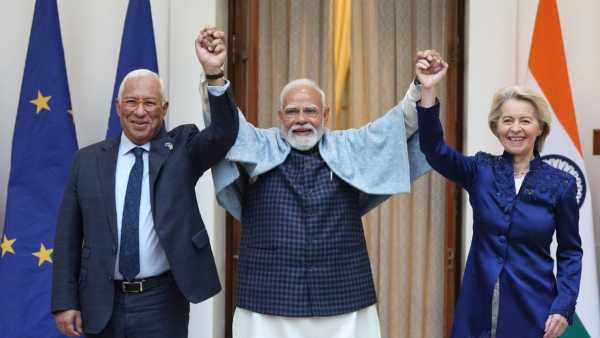
The European Union and India plan to give each other most-favoured nation status after their trade deal comes into force, which will prevent either partner from offering better tariff terms to the other partner for five years, a draft of the text said on Friday. India and the European Union struck a long-delayed deal last month that aims to reduce tariffs on most goods and boost two-way trade amid rising global trade tensions elsewhere. This deal is likely to be implemented one year after getting legal approval. From then on, exports to the EU are expected to double by 2032. The deal would eliminate or reduce tariffs on 96.6 percent of traded goods by value, saving European companies 4 billion euros ($4.7 billion) in duties.
India and EU have said that agriculture related items like soya, beef, sugar, rice and dairy have been kept out of the scope of the trade deal. A draft text released by India's trade ministry showed that both sides have agreed to commit not to restrict new imports or exports beyond World Trade Organization rules and to deepen cooperation on digital trade under a proposed free-trade agreement. To ease trade flows, New Delhi and Brussels will align food safety and plant health measures with WTO standards and simplify certification and audit processes. The text also calls for enhanced customs cooperation and faster clearance of goods, and the commitments will become binding upon approval.
Both sides will begin exchanging import data annually one year after the entry into force of the agreement to monitor its implementation and use of tariff preferences. They also agreed to ensure a non-discriminatory and easy appeal process for customs decisions affecting goods in import, export or transit. On digital trade, India and the EU committed to prevent unfair disruptions and promote an open and secure online environment.
The draft recognizes privacy as a fundamental right, while maintaining the rights of both parties on personal data protection and cross-border transfer rules. It also promotes paperless trade and legal recognition of electronic contracts, signatures and authentication. Additionally, the EU will mobilize finance and investment to support India's efforts to reduce greenhouse gas emissions under the proposed agreement, the draft shows.