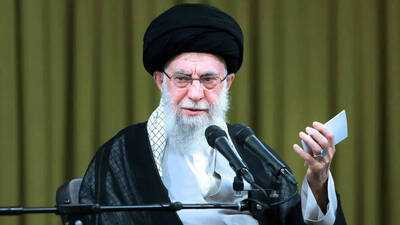
Recent military operations by US and Israeli forces have reportedly struck deep within Iranian territory, aiming at high-ranking officials such as Iran’s Supreme Leader Ayatollah Ali Khamenei and President Masoud Pezeshkian. According to Iranian media, as cited by the AP, one of the initial explosions occurred close to the supreme leader's office. Reports from Reuters indicate that the 86-year-old Khamenei was not present at the site and had been relocated to a secure area outside of Tehran. The strikes targeted various military installations, government facilities, and intelligence hubs, coinciding with escalating tensions between the US and Iran regarding Iran's nuclear ambitions.
In retaliation, Iran launched missile strikes against US positions throughout the Middle East. Subsequent reports from Iranian media confirmed that both Khamenei and Pezeshkian were unharmed, although they did not make immediate public appearances following the attacks. Since the 1979 revolution, Iran has experienced only one leadership change, with Khamenei at the helm since 1989. His potential loss of power or death could signify a pivotal moment for the nation, yet there are currently no verified indications of significant defections within the leadership.
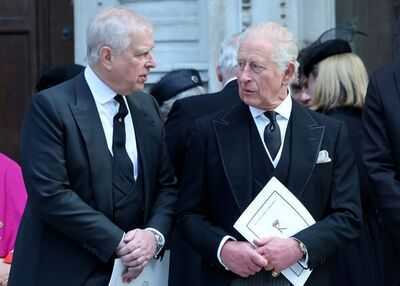
A recent analysis from a US think tank has proposed several individuals as potential successors to Khamenei:
Experts suggest that none of these candidates enjoy universal backing, and Iran lacks a clear successor to Khamenei.
The Assembly of Experts, composed of 88 clerics serving eight-year terms, is responsible for selecting Iran’s supreme leader. Only clerics approved by the Guardian Council can participate in this assembly. When a vacancy arises, the Assembly convenes privately to elect a new leader, evaluating candidates based on their religious qualifications, political experience, and loyalty to the Islamic Republic. This process is largely controlled by insiders, with ordinary citizens having no direct voting rights. The IRGC plays a significant role behind the scenes; its unity is crucial in determining the next supreme leader. A division within the IRGC could lead to uncertainty or chaos in the selection process.
(With inputs from various news sources)