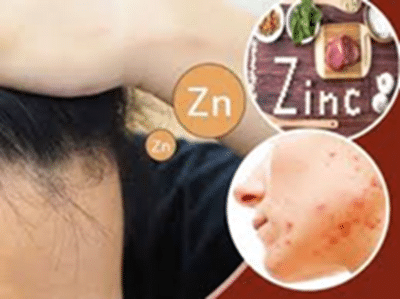
When to Test Zinc Levels: Our bodies contain certain essential minerals, a deficiency of which can cause various problems. Let's explain zinc deficiency.

Zinc deficiency in women
How To Know If You Have Zinc Deficiency: Persistent hair fall, irregular periods, and sudden increase in acne are common problems women often attribute to stress, age, or hormonal changes. But experts say that a small mineral, zinc, may play a key role in these symptoms. Zinc performs many important functions in the body, including maintaining hormonal balance, strengthening the immune system, and repairing cells. Yet, its deficiency often goes unnoticed, leading to serious problems.
What are the rules regarding this?
According to the Indian Council of Medical Research, adult women need approximately 8 to 12 milligrams of zinc daily, but this intake may be inadequate, especially in vegetarian diets. According to the National Institutes of Health, zinc is essential for reproductive health, wound healing, DNA formation, and immune cell development. Despite this, it is not given as much importance as iron or calcium.
What problems does its deficiency cause?
According to experts, zinc helps balance hormones like estrogen and progesterone. A deficiency can lead to irregular ovulation, worsen PMS symptoms, and increase acne. Zinc is also linked to thyroid function, which affects energy levels and periods. This is why fatigue and menstrual irregularities often appear together.
They should also not do this.
Weakened immunity can also be a sign of zinc deficiency. Frequent infections, slow wound healing, or frequent colds can all point to this. Increased inflammation and unintentional weight loss can also be a problem. Some women are at higher risk, such as those with menorrhagia, PCOS, strict vegetarians, or those who are chronically stressed. Zinc requirements also increase during pregnancy. Phytates in pulses and grains can reduce zinc absorption, so soaking and cooking them is beneficial.
How to make up for this deficiency?
Good sources of zinc include pumpkin seeds, chickpeas, lentils, cashews, almonds, spinach, whole grains, eggs, yogurt, seafood, and lean meats. Since the body doesn't store zinc for long, it's important to consume a balanced amount daily. However, testing and expert advice are essential before taking supplements, as excessive zinc intake can interfere with copper absorption and cause digestive problems. Sometimes, better health comes not from major changes, but from addressing small deficiencies that we've long overlooked.