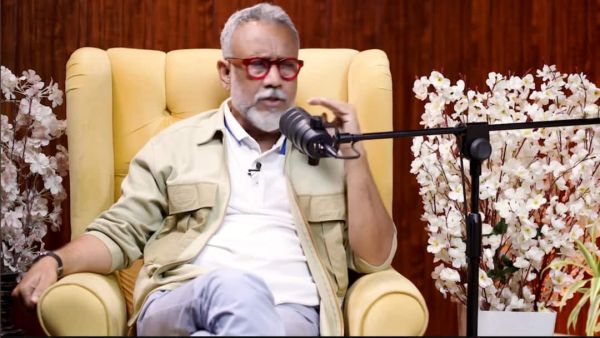
Filmmaker Anubhav Sinha has weighed in on the debate surrounding Deepika Padukone’s eight-hour work shift demand and called the backlash “awfully unfair”. He maintained that professional collaborations in the film industry should be based purely on mutual consent.
“If an actor wants to work six hours a day and you’re not okay with it, then don’t work with that actor. It’s as simple as that,” he said in a podcast episode.
Sinha clarified that he does not rely on rumours and has had minimal interaction with her. “I don’t believe in gossip. I’ve never really worked with Deepika, and barely met her once at a party years ago. But I asked people who have worked with her, and they said she’s a delightful actress to work with.”
He further added, “If any actor’s demands are unreasonable, don’t work with them. Why create a controversy? Every household has disagreements, but you don’t go to the terrace and shout about it. I think it’s unfair the way this has been blown up. If you don’t like an actor, fire them. Actors and directors have been fired before; it happens. It should remain between the concerned people.”
Sinha also pointed out that producers and directors always have the option to walk away if expectations do not align. According to him, disagreements over schedules or conditions should not become public spectacles. He further observed that acting is physically demanding, especially since performers appear on large cinema screens where even minor fatigue is visible.
Sinha also reflected on working with the late Rishi Kapoor during the making of Mulk. He shared how Kapoor had initially said no to night shoots, and later they mutually agreed on limited ones.
“Yes, Chintu ji told me after reading the script of Mulk that he didn’t want to do night shoots. I told him, ‘But Chintu ji, night scenes are important.’ So we negotiated. He said he would do four-night shoots. I agreed. Later during the shoot, I told him, ‘Sir, it’s become five nights.’ We managed," said Sinha.
He added that working with Kapoor was a pleasant experience and that he was happy to adjust because he wanted him in the film.
The controversy began when filmmaker Sandeep Reddy Vanga posted a strongly worded message on X (formerly Twitter), criticising an unnamed actor for allegedly playing “dirty PR games”.
“When I narrate a story to an actor, I place 100% faith. There is an unsaid NDA (Non Disclosure Agreement) between us. But by doing this, you’ve ‘DISCLOSED’ the person that you are.... Putting down a younger actor and ousting my story? Is this what your feminism stands for?” he wrote.
He further added, “As a filmmaker, I put years of hard work behind my craft & for me, filmmaking is everything. You didn't get it. You won't get it. You will never get it. Aisa karo.... Agli baar poori kahani bolna... kyunki mujhe jarra bhi farak nahi padtha.”
Vanga later confirmed that he had cast Triptii Dimri in his film. Reports suggested that the dispute stemmed from Deepika allegedly refusing to shoot for more than six hours a day for the film Spirit.
According to a report by Bollywood Hungama, the actress, through her agency, had also sought changes to her contract. The key issue reportedly was that if the shoot extended beyond 100 days, she would be compensated additionally for each extra day beyond the agreed schedule. Though Vanga reportedly discussed the matter with the producers, it was said that Deepika and her team were unwilling to revise their stance, leading to her exit from the project.
In an interview with Harper’s Bazaar, Deepika addressed the larger issue of work culture.
“We’ve normalised overworking. We mistake burnout for commitment. Eight hours of work a day is enough for the human body and mind. Only when you’re healthy can you give your best. Bringing a burnt-out person back into the system helps no one.”
She also noted that several male actors have followed similar work-hour practices for years without attracting the same level of scrutiny or headlines.