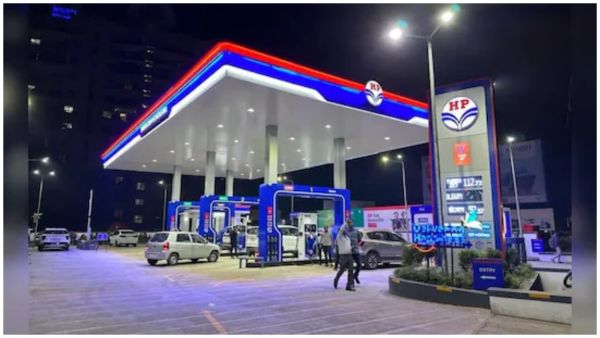
New Delhi: Amidst the increasing tension in West Asia, there is a news of relief for the common people. Government sources have clarified that at present there is no plan to increase the prices of petrol or diesel in India. The country currently has sufficient oil reserves. ANI quoted sources as saying, "India has 25 days of crude oil and refined oil stock. Other sources are also being explored for the import of crude oil, LPG and LNG. According to government sources, there is no plan yet to increase the prices of petrol and diesel."
Scroll to load tweet…
While headlines around the world are dominated by concerns over Iran and the Strait of Hormuz, New Delhi's message is clear: there is no need to panic, at least not yet.
For a common Indian, the biggest worry at the time of global tension is whether petrol and diesel will become expensive overnight? According to officials, Indian refineries currently have enough crude oil to meet their needs for at least 10 days. Apart from this, the fuel stock can last for 5-7 more days. If we combine all this with the Strategic Reserve (Emergency Reserve), it becomes a buffer of about 25 days. In simple words, even if oil shipments slow down for some time, pumps across the country will not be empty any time soon.
The real concern is about the Strait of Hormuz, thousands of kilometers away. This is a narrow sea route, through which about 20 percent of the world's petroleum liquid and about one-fifth of the LNG passes. This is even more important for India. Almost half of India's total crude oil imports, i.e. about 25 to 27 lakh barrels of oil every day, comes through this route. This oil mainly comes from Iraq, Saudi Arabia, UAE and Kuwait. About 60% of India's LNG and almost all LPG shipments also pass through this route. This is the reason why even the slightest movement in this area creates panic in the world's oil markets.
Government sources say that India is not sitting idly by. Officials are also contacting other suppliers like America, West Africa, Latin America and Russia. The purpose of this entire exercise is to reduce dependence on any one route and to be prepared for any sudden interruption.
Even though the supply seems secure now, the issue of prices is different. Brent crude recently closed near $73 per barrel, which is the highest level in seven months. This year, due to increasing geopolitical tension, it has increased by more than $12. Traders are already assuming fluctuations. According to some estimates, if the supply threat increases, prices may go towards $ 80 per barrel. However, government sources have made it clear that there is no plan to increase the prices of petrol and diesel.


