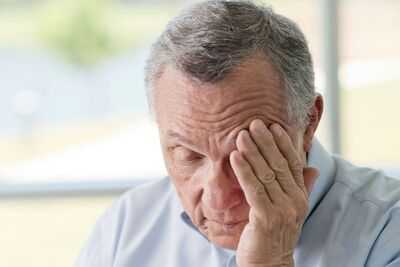
A "very common" symptom that "doesn't go away" even with rest could be a warning sign of cancer. While this symptom typically affects 65 per cent of cancer patients, it could easily be overlooked or mistaken for something far less serious.
Feeling slightly tired in the morning is perfectly normal. Even after a good night's sleep, you might still feel you need a bit more rest before starting your day.
It's also typical to experience some tiredness during daytime hours, especially throughout the winter months when chilly weather and reduced daylight hours can leave you feeling lethargic. However,persistent, overwhelming fatigue could indicate something much more serious.
Cancer Research UK warned that tiredness, which "doesn't go away" despite adequate sleep or rest, is a potential cancer warning sign. This type of fatigue may result from both the disease itself and its treatment, leaving patients "feeling very tired, exhausted and lacking energy".
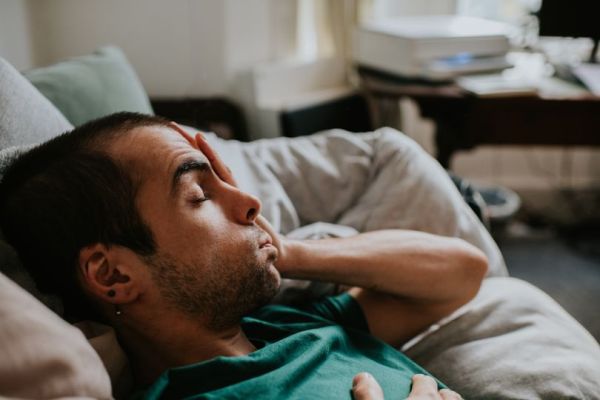
On its website, the charity explained: "Cancer-related fatigue can affect you physically, emotionally, and mentally. How long it lasts, how severe it is, and how often you might have it is different from person to person."
If you're experiencing cancer-related fatigue, you may notice:
This particular symptom can make everyday life incredibly difficult. Cancer Research UK said: "Fatigue can be very frustrating. You and your relatives might underestimate how much it can affect daily life.
"Everyday life can be difficult and you might not have the energy to cook, clean, bathe or go shopping. You might not even feel up to a chat. Things that you used to find easy to do can feel like hard work."
The charity warns that this symptom could force you to stop working entirely. Cancer Research UK added: "Some people feel like fatigue is a constant reminder of their cancer and this can be hard to accept.
"You might worry that because you feel so tired all the time your cancer could be getting worse. But it is more likely to be a side effect of treatment, or due to the fact that cancer can cause fatigue."
 When should you consult a GP?
That said, exhaustion doesn't automatically indicate cancer. It might stem from alternative medical conditions or lifestyle factors, including insufficient rest, poor diet, and limited exercise.
Additional health problems recognised for causing tiredness include:
Particular medications such as antidepressants, chemotherapy, radiation therapy, and pain relief drugs are similarly associated with fatigue. Nevertheless, if you're experiencing persistent, unexplained tiredness that's interfering with your everyday life, you should consult your GP.