What precautions should be taken while fasting in the month of Ramadan?
Causes of kidney stones?
Which disease causes inflammation in urine?
While celebrating the holy month of Ramadan, the spiritual benefits of fasting are often accompanied by a significant physical challenge. After fasting for the whole day, in the evening the fast is broken and different foods are consumed. But from a urologist’s point of view, staying away from water for 12 to 15 hours can cause hidden stress on the kidneys and bladder. When the body becomes dehydrated, urine becomes highly concentrated, which acts as a catalyst for three specific health problems. Not drinking even a single drop of water during the day increases the chances of dehydration or urinary problems. Low water intake causes pits in the bladder. About this Dr. Mangesh Patil, Urologist at Saifi Hospital, Mumbaihas given detailed information. Let’s find out.(Photo courtesy – istock)
Disturbed hormones will be controlled naturally! Do not ignore ‘these’ symptoms of thyroid in the body
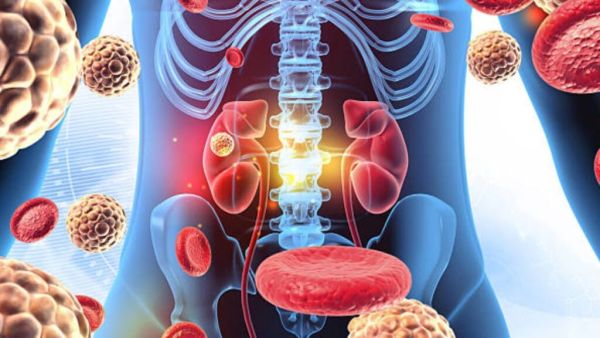
The most direct result of dehydration is the formation of kidney stones. Think of your urine as a solution; When water levels drop, minerals such as calcium and oxalates become highly concentrated and start to crystallize. Without enough fluid to “flush” the system, these crystals become attached to the stones. For those with a history of stones, the risk of painful “attacks” during the fasting months is high if rehydration is not carefully managed.
Regular urination is your body’s natural way of washing away bacteria. Dehydration rarely causes urinary tract bleeding, which allows bacteria to live and grow in the urinary tract, increasing the risk of urinary tract infection (UTI). Additionally, highly concentrated urine is acidic and can irritate the lining of the bladder, causing a false sense of urgency or burning sensation.
For men, especially those with an enlarged prostate, dehydration can worsen urinary symptoms. Concentrated urine irritates the prostate and bladder neck, leading to nighttime trips to the bathroom—ironically, this is what many people try to avoid by drinking less during iftar.
‘These’ are serious reasons that cause breast cancer at a young age, change the diet to prevent lumps in the breast