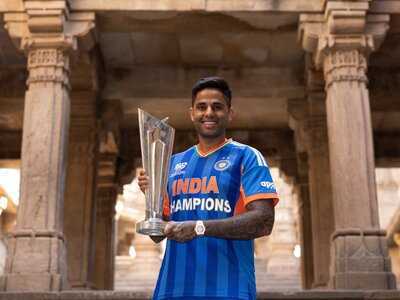
India’s triumphant T20 World Cup campaign continued to capture public attention even after the final match, as captain Suryakumar Yadav visited the historic site Adalaj Ni Vav in Gandhinagar, Gujarat, for a special photoshoot with the championship trophy. The visit came shortly after India secured a dominant victory over New Zealand in the tournament final, marking the nation’s second consecutive T20 World Cup title. The celebratory moment reflected both the pride of the team and the deep cultural symbolism associated with India’s historic landmarks. With the gleaming trophy in hand and the stunning architecture of the centuries-old stepwell as the backdrop, the captain’s appearance quickly became one of the most memorable post-victory images from the tournament.
India’s victory in the final match represented a moment of immense pride for millions of fans across the country. The team defeated New Zealand by a commanding margin of 96 runs, delivering a performance that demonstrated skill, discipline, and collective determination. The triumph strengthened India’s position as one of the most dominant forces in modern T20 cricket and sparked celebrations nationwide.
Soon after the victory, images and videos of players celebrating the achievement flooded social media. Fans across the world expressed their admiration for the team’s efforts, while cricketers themselves shared heartfelt posts reflecting on the journey to the title. Among the most striking visuals that emerged was the photograph of captain Suryakumar Yadav standing inside the historic Adalaj stepwell, holding the trophy that symbolized India’s latest global cricket achievement.
The site itself carries deep historical significance and cultural beauty. Its intricate carvings, symmetrical pillars, and layered architecture create a unique atmosphere that blends art, history, and engineering. Against such a setting, the presence of the World Cup trophy symbolized a meeting point between India’s rich heritage and its modern sporting achievements.
At the same time, several members of the Indian squad were seen returning home after the successful tournament. Players including Sanju Samson, Mohammed Siraj, and Tilak Varma were spotted at Ahmedabad Airport as they began traveling to their respective hometowns. Their arrival drew enthusiastic reactions from fans eager to celebrate the team’s victory.
Social media also became a platform where the players shared their emotions following the historic triumph. Many of them posted photographs with the trophy, messages of gratitude to supporters, and reflections on the journey that led to the championship. These posts revealed not only the excitement of victory but also the sense of responsibility that comes with representing the country on the global stage.
Suryakumar Yadav’s emotional tribute to the nation and players’ social media celebrations
Following India’s championship win, captain Suryakumar Yadav took to Instagram to share a powerful message alongside a photograph of himself holding the T20 World Cup trophy. In his post, he described the trophy as more than just a sporting prize. According to him, it represented the dreams and aspirations of more than a billion Indians who passionately support the national cricket team.
His message resonated deeply with fans who had followed every moment of the tournament. The captain acknowledged the dedication of his teammates and expressed gratitude to supporters whose encouragement had played a crucial role in motivating the squad throughout the competition. For many supporters, the image of Suryakumar Yadav standing with the trophy symbolized the culmination of years of hard work, preparation, and resilience.
The celebratory atmosphere extended beyond the captain’s message. Young batter Tilak Varma also shared his feelings on social media after the victory. In his post, he described becoming a world champion as a dream he had carried since childhood. Representing India at the international level and contributing to such a historic victory, he said, was one of the proudest moments of his life.
Tilak Varma’s words reflected the journey of many young cricketers who grow up dreaming of wearing the national jersey. For them, the opportunity to compete on the world stage represents both personal achievement and national pride. His message captured the emotional significance of the moment not only for the team but also for aspiring athletes across the country.
Meanwhile, fast bowler Mohammed Siraj made a symbolic statement following the victory by writing the word “believe” on his jersey. The message appeared above his jersey number seven, which is famously associated with Portuguese football star Cristiano Ronaldo. The gesture reflected the team’s belief in their abilities and the confidence that carried them through the tournament.
Siraj’s act quickly attracted attention among fans who interpreted it as a reminder that determination and belief often form the foundation of success in sports. The team’s journey to the title had indeed required unwavering confidence, particularly during challenging matches against strong opponents.
Among the most touching posts came from Sanju Samson, who was named the Player of the Tournament for his outstanding performances throughout the competition. Samson shared a photograph of himself kissing the trophy, accompanied by a message expressing his belief in miracles. The image became widely shared on social media and symbolized the emotional impact of the victory on the players themselves.
The players’ posts highlighted the collective joy experienced within the team after months of preparation and intense competition. For fans, these glimpses into the players’ emotions helped deepen their connection with the team’s achievement.
Sanju Samson’s stellar performance and the historic significance of Adalaj stepwell
Sanju Samson emerged as one of the standout performers of the tournament and played a crucial role in India’s successful campaign. His consistent performances with the bat earned him the Player of the Tournament award and established him as one of the key contributors to the team’s victory.
Throughout the tournament, Samson displayed remarkable composure and batting skill. He scored three consecutive half-centuries, demonstrating his ability to perform under pressure. One of his most memorable innings came when he scored an unbeaten 97 runs on a challenging pitch, guiding India to a competitive total in a crucial match.
In addition to that performance, Samson also delivered impressive innings of 89 runs against England in the semi-final and another 89 against New Zealand in the final. These contributions played a vital role in helping India dominate its opponents and ultimately secure the championship.
As the team members began returning home after the tournament, Samson arrived in his hometown of Trivandrum, where he received a warm welcome from fans and local authorities. Kerala minister V. Sivankutty greeted him at the airport, acknowledging his exceptional contribution to India’s victory.
Upon his arrival, Samson addressed supporters and expressed gratitude for their prayers and encouragement. He described the victory as a result of the unwavering support he had received from fans and emphasized that representing the country came with immense responsibility.
The celebrations extended beyond Kerala as well. All-rounder Shivam Dube received an enthusiastic welcome in Mumbai when he returned home following the tournament. Fans gathered to celebrate the team’s success and congratulate the players for bringing the championship back to India.
Amid these celebrations, the visit of captain Suryakumar Yadav to Adalaj stepwell added a cultural dimension to the post-victory festivities. The historic monument, located near Gandhinagar in Gujarat, is one of the most remarkable architectural landmarks in the region.
Constructed during the 15th century, the stepwell was originally built as a vital water source and resting place for travelers. Its design features five levels of intricately carved corridors supported by ornate pillars. The structure reflects a fascinating blend of Indo-Islamic architectural styles, making it a unique example of medieval engineering and artistry.
Over the centuries, Adalaj stepwell has become one of Gujarat’s most visited heritage sites. Tourists from across India and around the world travel to witness its intricate carvings, symmetrical patterns, and historical significance. The monument stands as a reminder of India’s rich architectural traditions and cultural heritage.
By choosing this iconic location for the trophy photoshoot, Suryakumar Yadav symbolically connected India’s modern sporting success with its historical legacy. The images captured at the stepwell created a powerful visual narrative in which the World Cup trophy appeared against a backdrop representing centuries of Indian history.
The captain’s visit also carried another subtle layer of significance. Before the 2023 World Cup final, former India captain Rohit Sharma had also visited the same historic site. Suryakumar Yadav’s appearance there after leading the team to a world title added a sense of continuity and symbolism to the moment.
The photographs taken at Adalaj stepwell quickly spread across social media, with fans praising the combination of heritage and sporting glory. For many observers, the images represented not only a celebration of victory but also a reminder of India’s deep cultural roots.
As celebrations of the championship continued across the country, these moments served as lasting reminders of a tournament that brought joy, pride, and unity to millions of fans.
The post Suryakumar Yadav visits Adalaj stepwell with T20 World Cup trophy after India’s historic victory over New Zealand | Cliq Latest appeared first on CliQ INDIA.