Amid rising tensions in the Middle East following the conflict involving the United States, Israel and Iran, Prime Minister Narendra Modi on Tuesday chaired a Cabinet meeting to review the situation and its potential impact on India’s energy supplies. During the meeting, the Prime Minister instructed ministers to reassure the public that the government is closely monitoring the global developments and that India has sufficient fuel reserves. He emphasised the need to maintain public confidence and clearly communicate that India has prepared contingency measures to manage supply chains during the ongoing international crisis.
During the Cabinet meeting, Prime Minister Modi asked ministers to ensure that the public remains informed and reassured about the country’s energy security. He said people should be told that global oil prices remain stable and that India has adequate reserves to meet domestic demand.
The Prime Minister also highlighted that India has already put in place a supply chain management system to deal with possible disruptions arising from the geopolitical crisis. Ministers were directed to communicate this preparedness clearly to the public in order to prevent panic or misinformation.
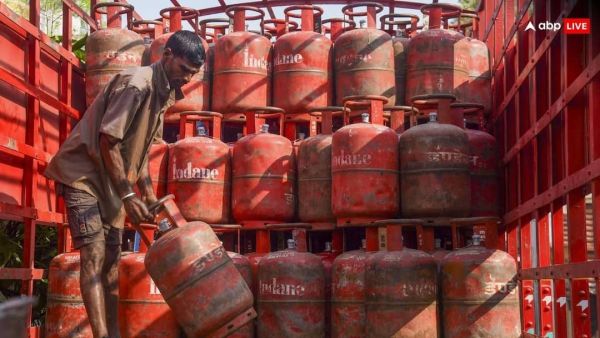
Government sources said India has also revised its strategy for securing crude oil and gas supplies to ensure that domestic markets remain unaffected by global instability. Special focus has been placed on maintaining uninterrupted supply of both commercial and domestic LPG cylinders. Oil marketing companies have been instructed to maintain direct communication with restaurant associations and other commercial users facing difficulties.
To closely track the situation, the government has set up a high-level committee to monitor fuel supplies across the country. Officials said India has increased domestic LPG production and has also arranged imports through alternative maritime routes to reduce dependence on any single supply corridor.
Government sources claimed that LPG production in the country has already increased by about 10 per cent over the past two days. Authorities also said that the time between booking and delivery of cylinders continues to remain within two and a half days in most places.
Officials explained that the long queues reported at some LPG distribution centres were largely due to an unusual spike in demand. According to sources, consumers who normally book cylinders after a month or more have recently been booking again within 15 to 20 days, leading to temporary pressure on the distribution system.
The government has also clarified that there is no shortage of LPG, petrol or diesel in the country. Officials stressed that any local disruptions are likely due to logistical issues in the supply chain rather than an actual shortage of fuel.
Authorities said that India distributes around six million LPG cylinders every day and that this level of supply has remained unchanged despite the global tensions. The government has assured that, if required, domestic consumers will continue to receive priority in fuel distribution.