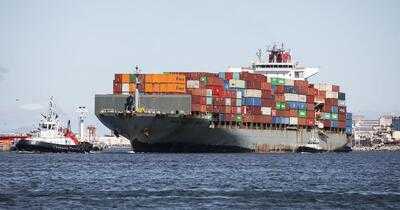
Events in the Middle East during February and March 2026 again disrupted the flows of shipping trade to the eastern and western spheres of the international system.
Given that the global economy is maritime based and rests on secure and predictable flows of goods by sea, the armed attacks on Iran and their maritime spillovers sharply underlined the vulnerability of global maritime trade and its value, which is embedded in safe and predictable deliveries of goods in the interconnected global system.
Although armed attacks caught much of the attention, a more subtle development was playing out as shipping lines and insurers again contemplated the convenience of the Cape sea route around the southern tip of Africa.
Following the Israeli and US armed attacks on Iran, Tehran closed the Strait of Hormuz. The impact was severe disruption to global trade.
Military hostilities and insurance risk suspensions added to uncertainty and bottle-necked carriers inside and outside the Persian Gulf. This high-risk scenario again escalated the importance of the Cape sea route as a convenient alternative should hostilities widen. Iran, for example, also fired missiles towards Cyprus in the eastern Mediterranean while a US submarine sank an Iranian naval frigate in the Indian Ocean south of Sri Lanka.
Based on a widening of the conflict, it is possible that the events of March 2026...
Read more