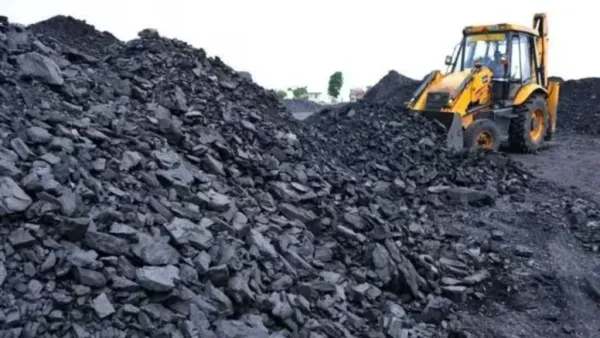
India is likely to rely more heavily on coal-fired power generation to meet peak electricity demand during the upcoming summer months as disruptions in liquefied natural gas (LNG) supplies affect gas-based power plants. The development follows shipping disruptions linked to geopolitical tensions in the Middle East that have affected LNG exports from major suppliers, creating uncertainty for India’s gas-dependent power sector.
India typically records its highest electricity demand during the April–June summer period due to rising temperatures and increased cooling requirements. To meet this seasonal surge, the government usually encourages power producers to increase generation, including gas-fired electricity, and may offer subsidies to shield consumers from higher costs. However, officials said the government has received no bids from power companies for a tender seeking about 12,000 megawatt-hours of gas-based power supply for the summer months.
With limited participation from gas-based generators, authorities are examining measures to ensure adequate electricity supply through alternative sources. Officials in the power sector are considering bringing coal-fired plants out of scheduled maintenance outages and advising generators to avoid shutdowns during the peak demand season so that generation capacity remains available.
India’s largest power utility, NTPC Limitedhas informed the electricity regulator that it will not be able to supply gas-fired electricity during the April–June period because of fuel supply constraints and high LNG costs, according to industry sources. Gas-based generation in India depends largely on imported LNG, which has become more expensive and less available amid recent disruptions in global supply chains.
The situation has also prompted emergency policy responses in the natural gas sector. India has invoked force majeure provisions and reprioritised the allocation of available natural gas to critical sectors such as households and fertiliser plants. The move allows authorities to redirect limited gas supplies toward essential uses during supply disruptions.
India’s largest LNG importer, Petronet LNG Limitedhas issued force majeure notices to several domestic buyers after LNG shipments from major suppliers including Qatar and Abu Dhabi National Oil Company were disrupted. The notices were sent to key energy companies including GAIL (India) Limited, Indian Oil Corporationand Bharat Petroleum Corporation Limitedwhich rely on imported LNG to supply gas to industrial and power sector consumers.
India has approximately 20 gigawatts of gas-based electricity generation capacity. However, these plants typically operate at low utilisation rates of around 6% to 10% because imported LNG remains relatively expensive compared with coal. During periods of high electricity demand, such as the summer months, utilisation levels can rise to around 30% when fuel supplies are available.
Despite the LNG supply disruptions, analysts say India is unlikely to face major power shortages because the country has significant generation capacity from coal, lignite, nuclear, hydroelectric and renewable energy sources. Government data shows that coal remains the dominant source of electricity generation in India, accounting for roughly 70% of total power production.
According to the Ministry of Power, Government of IndiaIndia has expanded its electricity generation and transmission capacity in recent years, helping reduce national power shortages. The country successfully met a record peak electricity demand of more than 242 gigawatts in the 2025–26 financial year while maintaining minimal supply shortages.
As the summer demand season approaches, government agencies and power producers are preparing generation assets to ensure reliable electricity supply across the national grid while managing the impact of global energy market disruptions on fuel availability.