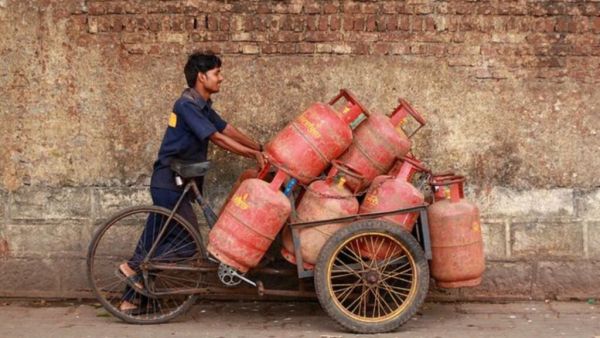
In almost every kitchen these days LPG gas cylinderis used. There must be a cylinder in the house to heat water and food. To book this cylinder you need to book it in advance and if this booking is not done in time it creates a big problem. Often the cylinder runs out but the housewives have not booked. Sometimes it happens that we miscalculate the end of the cylinder. Although this thing seems normal, it has a big impact on daily life.
World Kidney Day: Why is kidney health important? ‘These’ severe symptoms appear in the body after kidney failure
Recently there has been an increase in the gas cylinder and its booking period. Booking of cylinders which could be done earlier 15 days in advance now has to be done 25 days in advance. In this case, if you miscalculate, you may spend 25 days without a cylinder. That’s why today we are going to tell you a simple home trick with the help of which you can get a clue of how much gas is left in the cylinder in advance. Let’s find out what this trick is.
chalk
To use this trick, draw a long line from top to bottom on the cylinder. By understanding where the line remains wet, your cylinder is full to that level and the dry part is empty. This trick will help you know how much gas is left before it runs out.
Wet cloth test
This is the most scientifically reliable method. The reasoning behind this is that the part of the cylinder containing liquid gas is cooler than the empty part. For this, take a cloth and soak it in water. Wrap this ginger cloth around the cylinder or apply a wet bandage from top to bottom. After a few minutes, remove this cloth and wait for the water on the cylinder to dry. Consider the part that dries quickly as empty, and remember that your cylinder is full up to the part that doesn’t dry quickly.
Exams are near? Use these easy study tips to boost your kids’ memory
Search by gas flame
With the help of this trick you will not know the amount of gas but this trick will surely alert you. If a blue flame is seen on the gas flame, it means there is still time to run out of gas or there is enough gas in the cylinder. But if this flame looks orange or yellow then understand that the gas is going to run out soon. The fact behind this is that when the pressure in the burner decreases and the impurities start burning, the color of the flame changes.