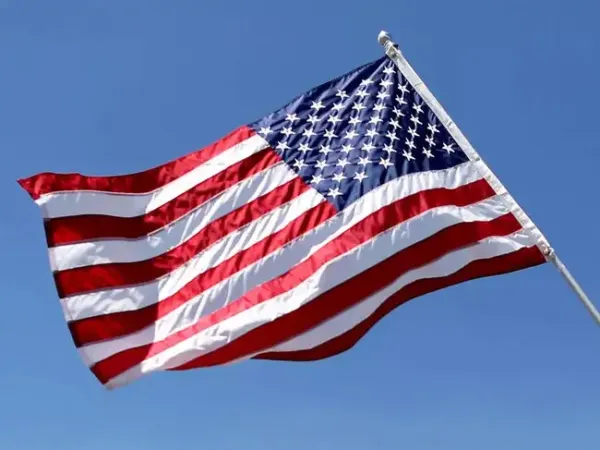
March 19 has marked a series of consequential moments in US history, reflecting the nation’s evolving role in global conflict, domestic policy, and economic change. From early 20th-century legislation and postwar diplomatic decisions to wartime crises and modern military action, events on this day highlight key turning points that have shaped America’s trajectory at home and abroad.
1918: The US adopts time zones and daylight saving time
On March 19, 1918, the US Congress enacted the Standard Time Act, establishing official time zones nationwide and introducing daylight saving time. The law was designed to improve coordination and conserve resources during World War I.
1920: US Senate rejects Treaty of Versailles again
On March 19, 1920, the US Senate rejected the Treaty of Versailles for a second time, ensuring that the United States would not join the League of Nations. The decision reflected deep political divisions over international involve ment following World War I.
1931: Nevada legalizes gambling
On March 19, 1931, the US state of Nevada legalized gambling, a move aimed at boosting the economy during the Great Depression. The decision paved the way for the rise of Las Vegas as a global center for casinos and entertainment.
1945: USS Franklin hit by Japanese air attack
On March 19, 1945, the US aircraft carrier USS Franklin was struck by a Japanese dive bomber off the coast of Japan during World War II. The attack triggered massive explosions and fires onboard, killing more than 700 crew members and causing one of the deadliest incidents in US naval history.
2003: US Announces Start of Iraq War
On March 19, 2003, US President George W. Bush announced that coalition forces had begun an invasion of Iraq, marking the start of the Iraq War. The military action aimed to dismantle Iraq’s alleged weapons of mass destruction programs and remove Saddam Hussein from power.
1918: The US adopts time zones and daylight saving time
On March 19, 1918, the US Congress enacted the Standard Time Act, establishing official time zones nationwide and introducing daylight saving time. The law was designed to improve coordination and conserve resources during World War I.
1920: US Senate rejects Treaty of Versailles again
On March 19, 1920, the US Senate rejected the Treaty of Versailles for a second time, ensuring that the United States would not join the League of Nations. The decision reflected deep political divisions over international involve ment following World War I.
1931: Nevada legalizes gambling
On March 19, 1931, the US state of Nevada legalized gambling, a move aimed at boosting the economy during the Great Depression. The decision paved the way for the rise of Las Vegas as a global center for casinos and entertainment.
1945: USS Franklin hit by Japanese air attack
On March 19, 1945, the US aircraft carrier USS Franklin was struck by a Japanese dive bomber off the coast of Japan during World War II. The attack triggered massive explosions and fires onboard, killing more than 700 crew members and causing one of the deadliest incidents in US naval history.
2003: US Announces Start of Iraq War
On March 19, 2003, US President George W. Bush announced that coalition forces had begun an invasion of Iraq, marking the start of the Iraq War. The military action aimed to dismantle Iraq’s alleged weapons of mass destruction programs and remove Saddam Hussein from power.