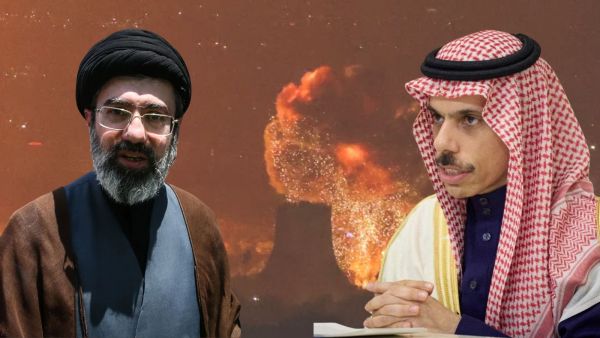
Saudi Arabia’s Foreign Minister Prince Faisal bin Farhan Al Saud said the Kingdom’s patience is “not unlimited”, urging Iran to “recalculate” its strategy as attacks on Gulf infrastructure continue.
He described the strikes as a deliberate attempt to pressure regional states, adding that their timing — coinciding with a meeting of foreign ministers in Riyadh — appeared intended to send a message, Al Jazeera reported
The minister said the nature and precision of the attacks suggested they were pre-planned, warning that Saudi Arabia and its partners have significant capabilities to respond if necessary. He added that continued attacks could lead to defensive action if Iran does not halt its operations.

The remarks come as the United States and Israel’s war on Iran continues to expand, drawing in multiple countries and raising fears of a broader regional conflict.
Iranian authorities said at least 20 hospitals have been damaged since the conflict began on February 28. In Dorud, Lorestan province, an air strike on residential neighbourhoods killed 12 people and injured 116 others.
Explosions were reported in central Tehran as air defence systems engaged incoming threats. Iran’s Revolutionary Guard said it intercepted drones over Tehran and Karaj, along with a cruise missile in Qazvin province.
Iran’s Foreign Minister Abbas Araqchi described the conflict as “imposed”, while criticising Western responses to Israeli strikes on Iranian infrastructure as “regrettable”.
The conflict has resulted in casualties across several countries:
The figures reflect the widening regional footprint of the conflict.
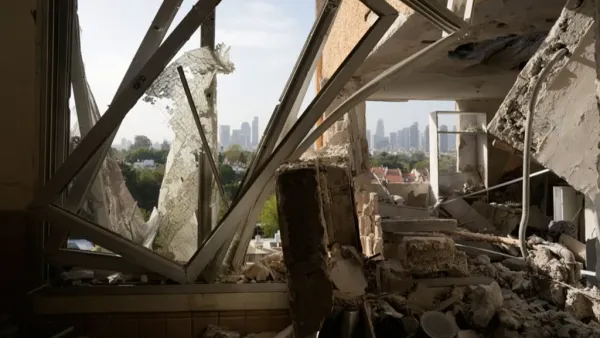
Air raid sirens were triggered across northern Israel following missile launches from Iran.
In Iraq, a drone strike targeted a facility near Baghdad airport used for US logistical support. Kuwait said it intercepted aerial threats and contained a minor fire at the Mina Al-Ahmadi refinery following a drone attack.
Saudi Arabia also reported intercepting drones targeting key regions, indicating continued cross-border escalation.
Strikes on energy facilities have heightened fears of supply disruptions, pushing global oil prices higher.
Iran warned of further retaliation after accusing Israel of targeting infrastructure linked to the South Pars gas field. Concerns have also intensified over the Strait of Hormuz, a vital route for global energy shipments.
Qatar’s Emir Sheikh Tamim bin Hamad Al Thani warned that targeting energy and water facilities poses a serious threat to regional stability.

According to the Amiri Diwan, the Emir made the remarks during a phone call with French President Emmanuel Macron, amid escalating attacks on critical infrastructure across the region.
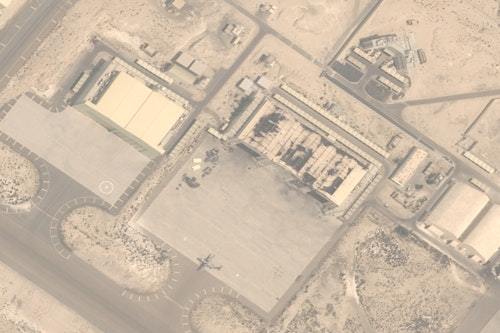
Satellite imagery has revealed damage to Al Dhafra Air Base in the United Arab Emirates following reported Iranian attacks targeting the facility.
Images show multiple hangars damaged, including fire impact and structural destruction. The base hosts around 2,000 US troops and supports drone and F-35 operations.
China condemned the killing of Iranian officials, calling it “unacceptable”, while France urged a halt to attacks on civilian infrastructure.
The United States signalled continued military engagement, describing the conflict as a full-scale war. NATO has begun efforts to secure key maritime routes affected by the crisis.
The war’s effects are being felt globally, particularly through rising fuel costs and disrupted supply chains.
In Israel, a Thai agricultural worker was killed in a missile strike near Tel Aviv, highlighting risks faced by foreign workers. Diplomatic efforts have also slowed, with key international talks put on hold.
Israeli sources said extensive strikes have targeted Iran’s missile infrastructure since the war began.
Iran has continued retaliatory operations. Authorities also executed three individuals convicted of killing police officers during unrest earlier this year, accusing them of acting in favour of the United States and Israel.
With sustained attacks, expanding regional involvement and increasing global concern, the conflict shows no immediate signs of de-escalation.