Eid celebrations will take place in the UK this week to mark the end of the holy month of Ramadan.
The major Islamic holiday is celebrated by Muslims worldwide and is a time to come together with friends and family to mark the end of the month-long dawn-to-dusk fasting during Ramadan. Eid al-Fitr, which means the 'festival of breaking the fast', is one of the most important Islamic celebrations and typically begins with communal prayers followed by family visits, gift giving and sharing food.
Eid al-Fitr begins at sunset on the night of the first sighting of the crescent moon, which signals the start of the Islamic month of Shawwal, immediately after the end of Ramadan. As the start of Eid follows the lunar cycle, based on phases of the moon, the start and end dates of both Ramadan and Eid can vary year on year.
When is Eid al-Fitr in the UK?The lunar calendar is approximately 11 days shorter than the Gregorian calendar, meaning the dates of Ramadan and Eid shift by around 11 days each year, meaning Eid can fall on different days in different parts of the world, depending on the sighting of the moon.
In the UK, most Muslims wait for announcements from community leaders on when Eid will begin, but since it's not always easy to see the moon from the UK, individual mosques will decide when the festival of Eid will be celebrated.
The Saudi Supreme Court has declared Thursday, March 19, as the final day of Ramadan and Friday, March 20, as the first day of Eid al-Fitr.
The United Arab Emirates, Qatar and Bahrain also announced Friday as the first day of Eid al-Fitr after attempts to see the Shawwal crescent moon were unsuccessful. As such, the holy month of Ramadan will be completed in 30 days, meaning Eid al-Fitr celebrations will begin on Friday.
Several mosques in the UK have confirmed that Eid al-Fitr will start on Friday, March 20, marking the first day of Shawwal, with Glasgow Central Mosque, City Mosque Preston, East London Mosque and Al-Rahma Mosque in Liverpool among those holding Eid prayers on Friday morning to mark the occasion.
How is Eid al-Fitr celebrated?Muslims are encouraged to join in Eid prayers in congregation with their fellow community as the holy occasion begins and will often greet each other with the phrase "Eid Mubarak", which means "Blessed Eid".
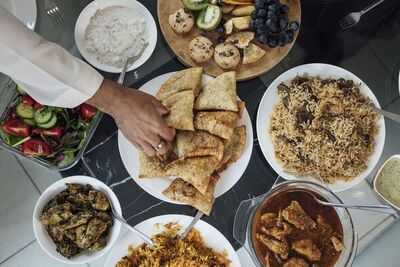
As Eid is a time of celebration, it is characterised by spending time with loved ones and sharing gifts and food, but it is also a time of generosity and Muslims will often prepare special dishes for family, friends or neighbours, and will make a compulsory charitable donation of food before Eid prayer.
Islamic Relief UK explains: "It's important to be prepared for Eid, and that includes paying Zakat al-Fitr. Zakat al Fitr (also known as Fitrana) is a charitable donation of food that must be given before Eid prayer, before the end of the month of Ramadan, for the love of Allah.
"Zakat al-Fitr is compulsory upon every self-supporting adult Muslim who has food in excess of their needs, on behalf of themselves and their dependents."