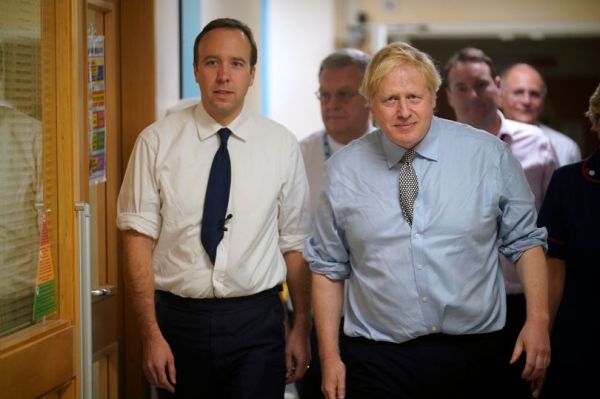
NHS workers have had to watch Boris Johnson glibly tell the UK Covid-19 Inquiry - “I no longer buy all this NHS overwhelmed stuff”.
The former Prime Minister and his hapless former Health Secretary Matt Hancock were both adamant in their evidence that the NHS was never overwhelmed during the pandemic. However the experience of patients, bereaved families and NHS staff on the front line revealed a different story. One that is now etched into the history books.
Inquiry chair Baroness Heather Hallett has today put the record straight and told how the NHS was overwhelmed - and “teetered on the brink of collapse”. The only reason it didn’t fall into the abyss was because of the heroic sacrifices of NHS staff who put their own lives on the line to care for others.
• Covid Inquiry: Hospitals overwhelmed in Tory UK despite Boris Johnson denials
• Meningitis vaccine chaos as nearly 100 people turned away and cases rise
Many thousands of NHS and social care workers caught and died from the new virus. The true number who caught Covid-19 while at work will never be known. Many survivors still work in the NHS and carry the mental scars. Some have turned up to the hearings I have covered for the Mirror and their anger could be seen etched onto their face as politicians publicly doubted their reality.
Matt Hancock claimed in his evidence that “we took action to ensure that the NHS was never overwhelmed”. Partygate Prime Minister Boris Johnson said he “succeeded in the central aim of government policy, which was to prevent the overwhelming of the NHS and to make sure that every patient was treated”.
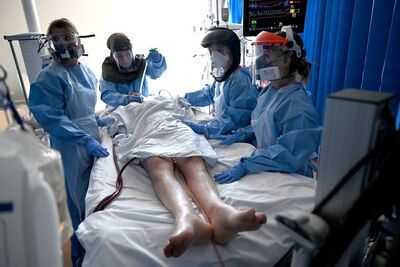
But every patient was not treated. Doctors and nurses had to make impossible decisions which patients to prioritise on overstretched wards. Some patients died in ambulances while many more died at home before they arrived. The NHS halted all planned care and stopped diagnosing people, including for cancers.
Evidence put before the inquiry showed mental health issues among NHS intensive care staff during the pandemic reached levels comparable to British military personnel who served in combat roles in Afghanistan. Nurses went from experiencing one death on their ward every couple of months, to eight per shift.
Our frontline care workers were left exposed following a record NHS funding squeeze in the years following David Cameron’s time as Prime Minister from 2010. This came at the same time as a rapid deterioration of the social care sector in the decade before the pandemic.
As Covid-19 struck the NHS had far fewer intensive care beds than many developed countries and that there had been high levels of nursing vacancies. The Intensive Care Society told the probe the UK entered the pandemic with 7.3 critical care beds per 100,000 people, while Germany had 28.2 beds per 100,000 and the Czech Republic had 43.2.
The ‘Nightingale Hospitals’ were set up - but many remained empty throughout the pandemic as our leaders realised they simply did not have enough medics to staff them.
We went into the pandemic in England with 40,000 nursing vacancies. There are currently 24,000 vacancies.
It was a political choice to leave the NHS dangerously exposed, without the staff or beds to withstand a major shock. Now it is time to see if the current Labour government makes a different choice.