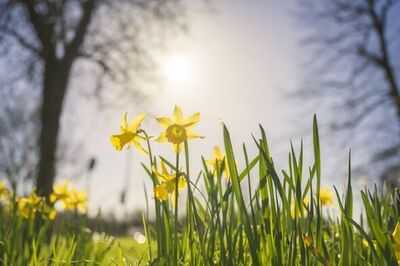
During this season, most casual conversations among Brits revolve around two topics: the bitter cold weather outside or the gloomy darkness. However, these discussions won't continue for much longer. Even though it seems like spring is here, thanks to the recent stretch of lovely weather and sunshine, along with the first blossoms appearing on trees, it doesn't actually start until the spring equinox.
Although we can't determine the exact day the UK will enjoy warmer, sunnier weather, we do know the date the sun will set after 8pm. The clocks springing forward always occurs on the last Sunday of March, which marks the commencement of British Summer Time. In 2026, this means we'll enjoy brighter evenings a day sooner than we did the previous year.
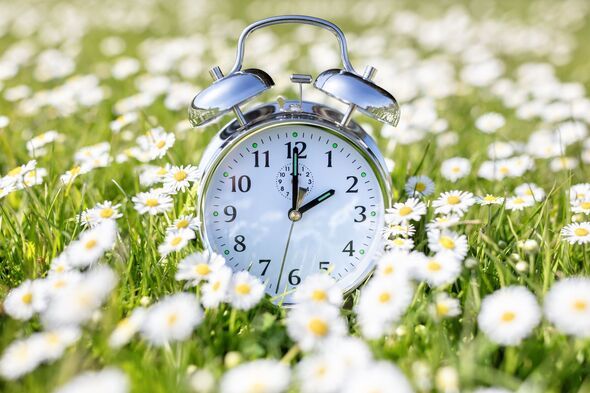
The clocks in the UK will spring forward, marking the start of British Summer Time on Sunday, March 29.
The clocks will jump forward at 1am to say 2am instead, so we'll lose an hour.
A simple way to recall how the clocks adjust throughout the year is to think of them "springing" forward in spring and "falling" back in autumn.
In summer, the clocks are set forward as a result of a campaign from the early 1900s aimed at modifying clocks for the summer season, referred to as British Summer Time.
The initial campaign suggested that by altering the clocks in summer, individuals in the northern hemisphere could take better advantage of the longer daylight hours.
Most internet-connected devices, like smartphones, typically update on their own. However, there are some devices that might need users to perform manual updates.
Here's where the sun will set in major UK cities on March 29, from earliest to latest.
The UK will remain in British Summer Time until the clocks go back again on October 25.