0
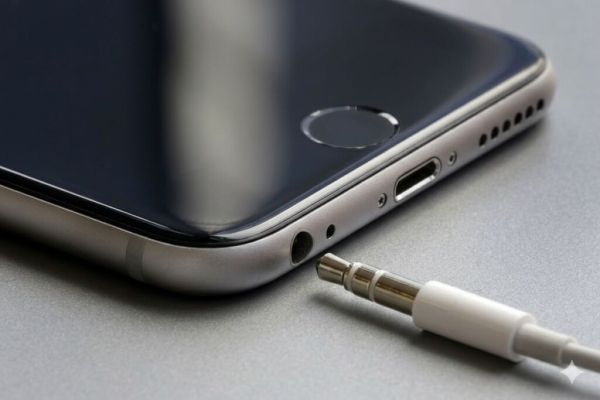
Over the past decade, smartphone manufacturers have gradually begun removing the 3.5 mm headphone jack from their devices. Apple started this change with iPhone 7, after which other companies also adopted the same trend. Users believe that it is only forcing them to buy earbuds and wireless headphones. But what is the primary reason for this change, let us know.
The design of today’s smartphones is very thin and attractive. Removing the 3.5mm headphone jack saves valuable space inside the phone. Manufacturers can use this extra space to pack in bigger batteries, better cameras, or advanced cooling systems, all of which improve the performance of smartphones.
Current wireless audio technology, especially Bluetooth, has made our experience much easier. Through this technology, users can easily connect headphones or earbuds without any useful wires. This makes it possible to enjoy music on the go, and solves the problem of wires getting tangled.
A major advantage of the removal of the 3.5 mm headphone jack is that smartphones have now become more protected from dust and water. When this port is not present, the device can be better sealed, which improves waterproofing and dust protection.
There is a common misconception that switching to digital audio automatically improves the sound quality. Really, it depends on what headphones you’re using. Removing the headphone jack frees up space to install higher quality audio components inside the smartphone. This allows companies to focus on better DAC (Digital-to-Analog Converter) and powerful amplifier technology, which further improves the sound experience.
Many smartphone manufacturers are moving towards adopting USB-C as a universal port. Now this port is used for charging, data transfer and audio. USB-C has many benefits, including faster data transfers and better power delivery.
Share your reaction or leave a quick response — we’d love to hear what you think!