The daily tradition of reflecting on a Quote of the day often highlights wisdom from historical figures whose ideas shaped society and public thought. These reflections provide not only inspiration but also insight into how individuals approach knowledge, conversation and intellectual curiosity.
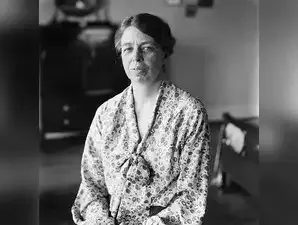
Among the many influential voices of the 20th century was Eleanor Roosevelt, widely admired for her humanitarian work, political activism and commitment to civil rights. Known as the “First Lady of the World,” Roosevelt used her influence to champion social justice, women’s participation in politics and international cooperation.
Beyond her political achievements, Roosevelt also left behind a collection of memorable sayings that continue to circulate as motivational reflections. One particular observation attributed to her has become a widely shared Quote of the day, encouraging people to think more deeply about the nature of meaningful conversation.
The Quote of the day today attributed to Eleanor Roosevelt highlights the importance of intellectual curiosity and thoughtful discussion:
“Great minds discuss ideas; average minds discuss events; small minds discuss people.”
The line has become one of the most widely circulated reflections about conversation and intellectual engagement. It suggests that the topics people choose to discuss often reflect their level of curiosity and depth of thought.
By encouraging discussions about ideas rather than individuals or everyday events, the quote emphasises the value of critical thinking and intellectual exploration.
The remark divides conversations into three broad categories. At the highest level, discussions about ideas involve exploring concepts, philosophies and creative possibilities. Such conversations encourage learning, innovation and intellectual growth.
The second level focuses on events. These discussions typically revolve around news, daily happenings or recent developments. While such conversations can be informative, they may not always encourage deeper analysis.
The third category involves discussions about people, particularly gossip or personal criticism. Roosevelt’s observation suggests that conversations centered primarily on individuals can sometimes reflect superficial thinking or a lack of intellectual curiosity.
The quote therefore encourages readers to move toward conversations that expand knowledge and stimulate thoughtful dialogue.
In modern contexts, the message resonates strongly in an era of social media and rapid information sharing, where discussions can easily drift toward personal commentary rather than meaningful ideas.
Born on October 11, 1884, in New York City, Anna Eleanor Roosevelt came from a prominent political family. She was the daughter of Elliott Roosevelt and Anna Hall Roosevelt, and the niece of U.S. President Theodore Roosevelt.
Although her family background was privileged, Roosevelt’s early life was marked by hardship. Her father struggled with alcoholism, and both of her parents died when she was still young. She was raised largely by her grandmother, whose strict upbringing affected her confidence during childhood.
A turning point in Roosevelt’s life came when she attended Allenswood Academy in London. Under the guidance of her teacher Marie Souvestre, she developed intellectual independence and a strong interest in social issues. This experience played a crucial role in shaping her later activism.
When Franklin Roosevelt was elected President in 1932, Eleanor Roosevelt redefined the role of First Lady. Rather than remaining a ceremonial figure, she actively engaged in public life, traveling across the country, meeting citizens and advocating for social reforms.
During her time in the White House from 1933 to 1945, she wrote thousands of articles and delivered numerous speeches. One of her most popular initiatives was a syndicated newspaper column titled My Day, which ran from 1935 until her death in 1962. Through this column, she shared her daily experiences, political reflections and interactions with ordinary Americans.
Roosevelt also held regular press conferences for women journalists, helping create professional opportunities for female reporters at a time when journalism was largely male dominated.
She was appointed as a delegate to the United Nations and soon became chair of the organisation’s Human Rights Commission. In this role, she helped oversee the drafting of the Universal Declaration of Human Rights, adopted in 1948.
The declaration became one of the most important documents in modern human rights history, outlining fundamental freedoms and protections for people around the world.
Roosevelt also remained active in civil rights advocacy within the United States. She supported organisations such as the NAACP and spoke out against racial discrimination and social inequality.
Throughout her life, Roosevelt combined political engagement with humanitarian activism, making her one of the most respected public figures of the 20th century.
Among the many influential voices of the 20th century was Eleanor Roosevelt, widely admired for her humanitarian work, political activism and commitment to civil rights. Known as the “First Lady of the World,” Roosevelt used her influence to champion social justice, women’s participation in politics and international cooperation.
Beyond her political achievements, Roosevelt also left behind a collection of memorable sayings that continue to circulate as motivational reflections. One particular observation attributed to her has become a widely shared Quote of the day, encouraging people to think more deeply about the nature of meaningful conversation.
Quote of the day today
The Quote of the day today attributed to Eleanor Roosevelt highlights the importance of intellectual curiosity and thoughtful discussion:
“Great minds discuss ideas; average minds discuss events; small minds discuss people.”
The line has become one of the most widely circulated reflections about conversation and intellectual engagement. It suggests that the topics people choose to discuss often reflect their level of curiosity and depth of thought.
By encouraging discussions about ideas rather than individuals or everyday events, the quote emphasises the value of critical thinking and intellectual exploration.
Quote of the day meaning
Understanding the Quote of the day meaning helps reveal the deeper message behind Roosevelt’s statement.The remark divides conversations into three broad categories. At the highest level, discussions about ideas involve exploring concepts, philosophies and creative possibilities. Such conversations encourage learning, innovation and intellectual growth.
The second level focuses on events. These discussions typically revolve around news, daily happenings or recent developments. While such conversations can be informative, they may not always encourage deeper analysis.
The third category involves discussions about people, particularly gossip or personal criticism. Roosevelt’s observation suggests that conversations centered primarily on individuals can sometimes reflect superficial thinking or a lack of intellectual curiosity.
The quote therefore encourages readers to move toward conversations that expand knowledge and stimulate thoughtful dialogue.
In modern contexts, the message resonates strongly in an era of social media and rapid information sharing, where discussions can easily drift toward personal commentary rather than meaningful ideas.
Quote of the day by Eleanor Roosevelt
The Quote of the day by Eleanor Roosevelt reflects the outlook of a woman who spent much of her life advocating for education, human rights and civic engagement.Born on October 11, 1884, in New York City, Anna Eleanor Roosevelt came from a prominent political family. She was the daughter of Elliott Roosevelt and Anna Hall Roosevelt, and the niece of U.S. President Theodore Roosevelt.
Although her family background was privileged, Roosevelt’s early life was marked by hardship. Her father struggled with alcoholism, and both of her parents died when she was still young. She was raised largely by her grandmother, whose strict upbringing affected her confidence during childhood.
A turning point in Roosevelt’s life came when she attended Allenswood Academy in London. Under the guidance of her teacher Marie Souvestre, she developed intellectual independence and a strong interest in social issues. This experience played a crucial role in shaping her later activism.
Life as First Lady and public advocate
In 1905, Eleanor Roosevelt married her distant cousin Franklin D. Roosevelt, who later became one of the most influential political leaders in American history.When Franklin Roosevelt was elected President in 1932, Eleanor Roosevelt redefined the role of First Lady. Rather than remaining a ceremonial figure, she actively engaged in public life, traveling across the country, meeting citizens and advocating for social reforms.
During her time in the White House from 1933 to 1945, she wrote thousands of articles and delivered numerous speeches. One of her most popular initiatives was a syndicated newspaper column titled My Day, which ran from 1935 until her death in 1962. Through this column, she shared her daily experiences, political reflections and interactions with ordinary Americans.
Roosevelt also held regular press conferences for women journalists, helping create professional opportunities for female reporters at a time when journalism was largely male dominated.
Eleanor Roosevelt quotes and global legacy
Many Eleanor Roosevelt quotes reflect her lifelong commitment to human dignity and social justice. After the death of President Franklin Roosevelt in 1945, she continued to play a major role in international diplomacy.She was appointed as a delegate to the United Nations and soon became chair of the organisation’s Human Rights Commission. In this role, she helped oversee the drafting of the Universal Declaration of Human Rights, adopted in 1948.
The declaration became one of the most important documents in modern human rights history, outlining fundamental freedoms and protections for people around the world.
Roosevelt also remained active in civil rights advocacy within the United States. She supported organisations such as the NAACP and spoke out against racial discrimination and social inequality.
Throughout her life, Roosevelt combined political engagement with humanitarian activism, making her one of the most respected public figures of the 20th century.