After months of unpredictable weather, many people are finally asking the same question—is today the first day of spring? The shift in seasons often brings a sense of relief, especially after a winter that felt extreme in different parts of the country. From heavy snowstorms in some regions to unusual heat in others, the past season has been anything but uniform. Now, with the equinox here, spring officially begins, at least in the astronomical sense.
Here’s a closer look at what the equinox really means and when spring actually starts in 2026, as per a report by Fox 13 nEws and USA Today.
ALSO READ: Quote of the Day by Denzel Washington: 'Fall down seven times…'—Top quotes by the two-time Academy Award-winning actor
For those wondering when spring starts in 2026, the answer is clear. The first day of spring 2026 falls on Friday, March 20. This marks the beginning of astronomical spring in the Northern Hemisphere.
According to the U.S. Naval Observatory, the exact moment arrives at 10:46 a.m. ET, marking the astronomical start of the season in the Northern Hemisphere. In 2026, the timing is also noted as 7:46 a.m. Eastern time in some reports, but the date remains the same. Regardless of the exact minute, this is the point when winter gives way to spring on the astronomical calendar, as per a report by Fox 13 nEws and USA Today.
ALSO READ: Quote of the Day by George Orwell: 'War is Peace, Freedom is…'—Inspiring quotes by the author of dystopian novel Nineteen Eighty-Four
This day is widely recognized as the first day of spring, even if weather conditions don’t immediately reflect the change. The key point is that this moment officially signals the seasonal shift. So, if you’ve been asking when the first day of spring is or if today is the first day of spring, March 20 is the date to remember.
The spring equinox 2026 date is not just another calendar milestone. It’s a specific astronomical event that happens twice a year. During this time, Earth’s axis is tilted neither toward nor away from the sun.
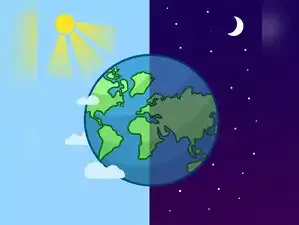
This alignment means that sunlight is distributed almost evenly across the planet. As a result, most places experience nearly equal hours of daylight and darkness.
The term “equinox” itself comes from Latin words meaning equal and night, which reflects this balance. On this day, the sun sits directly above the equator, creating a near-perfect split between day and night across the globe.
Interestingly, this balance is influenced by how sunlight bends in the atmosphere, making the day appear slightly longer than the night, as per a report by Fox 13 nEws and USA Today.
One of the most talked-about aspects of the equinox is the near equality of day and night. While it’s often said they are exactly equal, the reality is slightly more nuanced.
The equal day and night hours are caused by a refraction of sunlight that makes the sun appear above the horizon while the actual position of the sun is below the horizon, according to the National Weather Service.
This effect adds a few extra minutes of daylight, even on a day meant to represent balance. Still, the difference is small enough that the equinox remains a symbol of equal light and darkness, as per a report by Fox 13 nEws and USA Today.
There are actually two ways to define when spring is. Meteorological spring began earlier, on March 1, based on temperature patterns and calendar grouping.
Astronomical spring, however, depends on Earth’s position relative to the sun. That’s why the spring solstice 2026, more accurately called the equinox, falls on March 20.
Meteorological seasons are divided into three-month blocks, while astronomical seasons are determined by events like equinoxes and solstices. Each system serves a different purpose, but both help explain seasonal changes.
Once the first day of spring 2026 in the USA arrives, the days will gradually grow longer. Sunrises will happen earlier, and sunsets will stretch further into the evening.
This pattern will continue until the summer solstice in June. Until then, increasing daylight becomes one of the most noticeable signs of seasonal change.
However, the arrival of spring doesn’t mean an immediate shift in weather. Forecasts suggest lingering cold in the eastern parts of the country into early April, while the western regions may continue to experience prolonged heat.
The transition into spring comes after a winter that varied widely across the country. Some areas dealt with intense cold and heavy snowfall, particularly in the Northeast. Meanwhile, parts of the West faced unusually high temperatures and ongoing drought conditions.
Despite these differences, meteorologists have described the overall winter as warmer than usual across the country.
Thus, spring has officially arrived, even if the weather outside takes a little longer to catch up.
FAQs
Is today the first day of spring 2026?
Yes, March 20 marks the official start of astronomical spring in the Northern Hemisphere.
What time does spring start in 2026?
The spring equinox occurs at 7:46 a.m. Eastern time.
Here’s a closer look at what the equinox really means and when spring actually starts in 2026, as per a report by Fox 13 nEws and USA Today.
ALSO READ: Quote of the Day by Denzel Washington: 'Fall down seven times…'—Top quotes by the two-time Academy Award-winning actor
When does spring start in 2026?
For those wondering when spring starts in 2026, the answer is clear. The first day of spring 2026 falls on Friday, March 20. This marks the beginning of astronomical spring in the Northern Hemisphere.
According to the U.S. Naval Observatory, the exact moment arrives at 10:46 a.m. ET, marking the astronomical start of the season in the Northern Hemisphere. In 2026, the timing is also noted as 7:46 a.m. Eastern time in some reports, but the date remains the same. Regardless of the exact minute, this is the point when winter gives way to spring on the astronomical calendar, as per a report by Fox 13 nEws and USA Today.
ALSO READ: Quote of the Day by George Orwell: 'War is Peace, Freedom is…'—Inspiring quotes by the author of dystopian novel Nineteen Eighty-Four
Is today the first day of spring?
This day is widely recognized as the first day of spring, even if weather conditions don’t immediately reflect the change. The key point is that this moment officially signals the seasonal shift. So, if you’ve been asking when the first day of spring is or if today is the first day of spring, March 20 is the date to remember.
What is the spring equinox?
The spring equinox 2026 date is not just another calendar milestone. It’s a specific astronomical event that happens twice a year. During this time, Earth’s axis is tilted neither toward nor away from the sun.
This alignment means that sunlight is distributed almost evenly across the planet. As a result, most places experience nearly equal hours of daylight and darkness.
The term “equinox” itself comes from Latin words meaning equal and night, which reflects this balance. On this day, the sun sits directly above the equator, creating a near-perfect split between day and night across the globe.
Interestingly, this balance is influenced by how sunlight bends in the atmosphere, making the day appear slightly longer than the night, as per a report by Fox 13 nEws and USA Today.
Why do day and night feel almost equal?
One of the most talked-about aspects of the equinox is the near equality of day and night. While it’s often said they are exactly equal, the reality is slightly more nuanced.
The equal day and night hours are caused by a refraction of sunlight that makes the sun appear above the horizon while the actual position of the sun is below the horizon, according to the National Weather Service.
This effect adds a few extra minutes of daylight, even on a day meant to represent balance. Still, the difference is small enough that the equinox remains a symbol of equal light and darkness, as per a report by Fox 13 nEws and USA Today.
What’s the difference between astronomical and meteorological spring?
There are actually two ways to define when spring is. Meteorological spring began earlier, on March 1, based on temperature patterns and calendar grouping.
Astronomical spring, however, depends on Earth’s position relative to the sun. That’s why the spring solstice 2026, more accurately called the equinox, falls on March 20.
Meteorological seasons are divided into three-month blocks, while astronomical seasons are determined by events like equinoxes and solstices. Each system serves a different purpose, but both help explain seasonal changes.
What happens after the spring equinox?
Once the first day of spring 2026 in the USA arrives, the days will gradually grow longer. Sunrises will happen earlier, and sunsets will stretch further into the evening.
This pattern will continue until the summer solstice in June. Until then, increasing daylight becomes one of the most noticeable signs of seasonal change.
However, the arrival of spring doesn’t mean an immediate shift in weather. Forecasts suggest lingering cold in the eastern parts of the country into early April, while the western regions may continue to experience prolonged heat.
The transition into spring comes after a winter that varied widely across the country. Some areas dealt with intense cold and heavy snowfall, particularly in the Northeast. Meanwhile, parts of the West faced unusually high temperatures and ongoing drought conditions.
Despite these differences, meteorologists have described the overall winter as warmer than usual across the country.
Thus, spring has officially arrived, even if the weather outside takes a little longer to catch up.
FAQs
Is today the first day of spring 2026?
Yes, March 20 marks the official start of astronomical spring in the Northern Hemisphere.
What time does spring start in 2026?
The spring equinox occurs at 7:46 a.m. Eastern time.