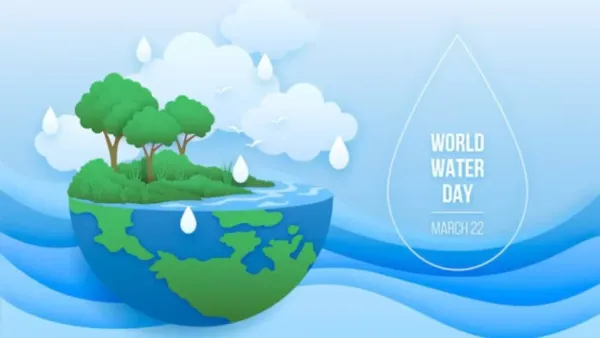
World Water Day History: World Water Day is being celebrated across the world today on 22 March. Amidst the goal of ensuring clean water for all by 2030, the theme of 2026 points out that the water crisis is not just an environmental but also an issue of human rights and gender equality.
Water is called the blood of the earth but even today for billions of people it remains not a right but a luxury. World Water Day 2026 comes at a time when the world stands on a difficult path amid climate change and water crisis. The United Nations has chosen a very powerful and transformative theme this year.
Theme 2026: water and gender equality
Slogan: Where water flows, equality thrives
This year’s campaign highlights the often overlooked reality that the global water crisis is not gender-neutral. Women and girls are the primary water collectors in households around the world, especially in rural areas. They often sacrifice their education, safety and health and walk for miles to secure water for their families.
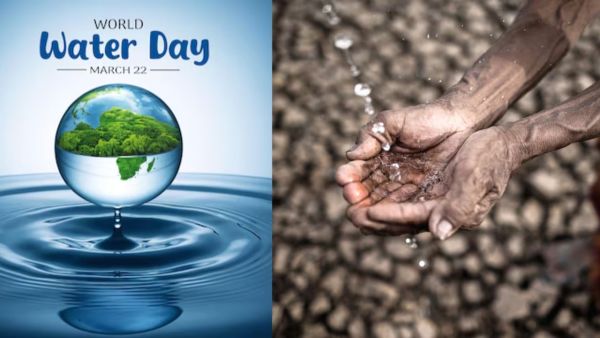
Symbolic photo (Ms. Freepik)
The idea of celebrating World Water Day was first proposed in 1992 during the United Nations Conference on Environment and Development (UNCED) in Rio de Janeiro, Brazil.
December 1992: The United Nations General Assembly officially declared March 22 as ‘World Water Day’ Announced as.
1993: World Water Day was celebrated for the first time across the world.
2010: The United Nations formally launched the ‘Water and Sanitation’ Recognized as a human right.
Today approximately 2.2 billion people are living without safe water. This day is not just for awareness but for action.
World Water Day 2026 reminds us that a water-secure future is only possible if it is an equitable future. Only when we ensure that water flows for all does equality increase for the entire world. Sustainable management is the only way to build a healthy and inclusive future.