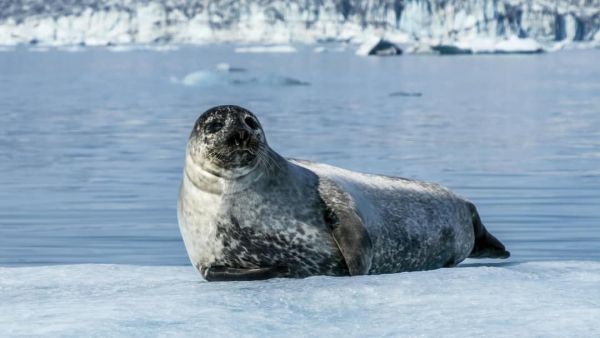
Every year, on March 22, nature enthusiasts and wildlife lovers come together to mark International Seal Day, a day dedicated to raising awareness about the fascinating lives of seals and the need to protect them. These marine mammals, often seen basking on icy shores or gliding effortlessly through ocean waters, are far more complex than their playful appearance suggests. From surviving in extreme climates to showcasing remarkable underwater abilities, seals continue to intrigue scientists and animal lovers alike.
Seals belong to a unique group of ocean-dwelling mammals and have adapted beautifully to life both in water and on land. Their streamlined bodies, flipper-like limbs, and thick layers of blubber help them thrive in some of the harshest environments on Earth. As we observe this special day, here are some fascinating facts that shed light on their incredible world.
Seals are part of the Pinnipeds, a group of marine mammals that also includes sea lions, walruses, and fur seals. Globally, there are 33 species within this group, all believed to have evolved from land-dwelling, otter-like ancestors over time.
Seals are most commonly found in cold ocean regions, especially around the Arctic and Antarctic. Certain species, such as Leopard, Ross, Weddell, and Crabeater seals, are specially adapted to breed and survive on Antarctic ice.
In the wild, seals can live surprisingly long lives. Female seals generally live longer, reaching up to 30 years, while males typically have a shorter lifespan, rarely exceeding 25 years. Some species, like grey seals, can even live up to 35 years under natural conditions.
Seal species come in a wide range of sizes. The smallest, the Galapagos Fur Seal, measures about 1 meter and weighs around 45 kg. In contrast, the massive Southern Elephant Seal can grow up to 5 meters long and weigh an astonishing 3,850 kg.
While most seals feed on fish, crustaceans, and seabirds, some species display more aggressive feeding habits. The Leopard Seal, for instance, is known to prey on other seals, making it one of the more formidable hunters in the ocean.
One of the most fascinating traits of seals is their ability to sleep underwater. Although they often come ashore to rest, mate, or escape predators like sharks and whales, they are equally comfortable resting beneath the surface.
Seals are exceptional divers, capable of reaching depths of up to 900 meters in search of food. Some species can even hold their breath for up to two hours. The Northern Elephant Seal, in particular, spends most of its life underwater, surfacing only briefly between dives.
Despite their adaptability, seals have faced significant threats over time. Historically hunted for their fur and fat, some species have been driven to extinction. Notable examples include the Caribbean Monk Seal and the Japanese Sea Lion. While many species are now protected, some, like the Galapagos Fur Seal, still face conservation challenges.