Earth is considered a planet of water, but the reality is that only a small part of it is suitable for human use. According to scientific data, about 97 percent of the total water is saline, which is found in seas and oceans. Only 3 percent of water is fresh, which is found in rivers, lakes, glaciers and underground water sources.
When it comes to fresh water, Canada comes to mind first. According to the United Nations and the World Bank, Canada has the world’s largest renewable freshwater reserves. It is said that Canada alone has about 20 percent of the world’s total fresh water, making it the richest country in terms of water resources.
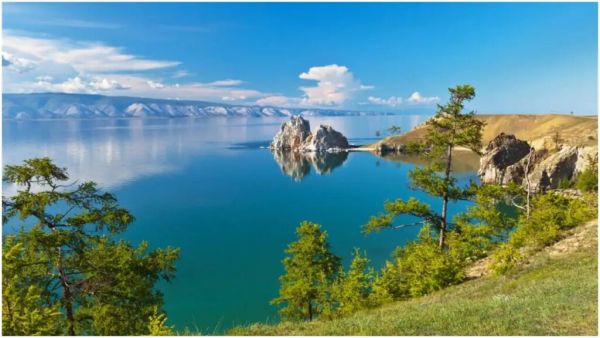
The main reason for Canada having such a large amount of water is its geographical location. There are about 2 million lakes here, many of which were formed by the melting of glaciers thousands of years ago. These lakes are still an important source of fresh water.
The Great Lakes, located on the border of Canada and America, are counted among the world’s largest freshwater sources. These include Lakes Superior, Michigan, Huron, Erie and Ontario. These lakes contain about 20 percent of the world’s total surface freshwater, which has the capacity to meet the water needs of a large population.
Other countries in the world also have sources of fresh water, but they are less than Canada. For example, Brazil’s Amazon Basin is one of the largest river systems in the world, but Canada leads in total freshwater reserves.
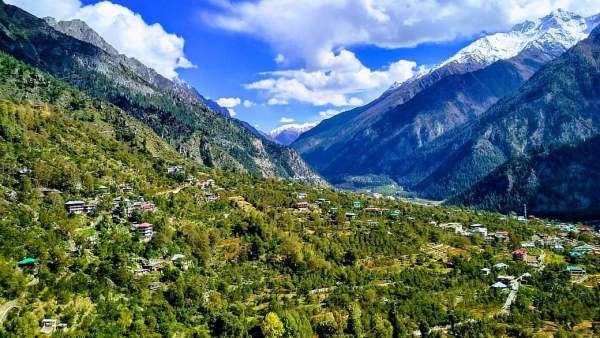
India also has many important fresh water sources. Glaciers located in the Himalayan region are a major source of water for the country. Apart from this, there are thousands of lakes and rivers in the country, which cater to the needs of crores of people. Clean and natural water sources are also found in large quantities in North Eastern India.