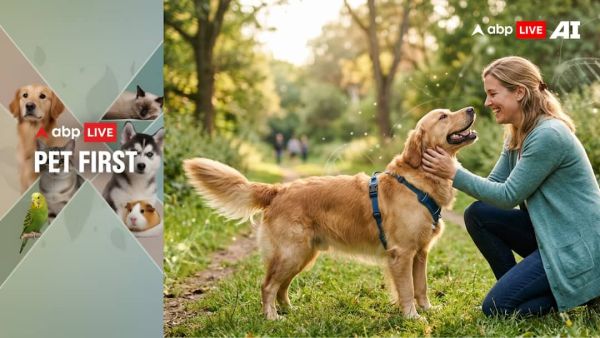
Anyone who has ever been greeted by a wagging tail or an excited leap at the door has likely wondered, do dogs truly love us, or is it just instinct? A growing body of scientific research suggests that the bond between humans and dogs runs far deeper than simple habit. It may, in fact, be written into their DNA.
A video shared on Instagram brought renewed attention to this fascinating idea, breaking down how dogs are biologically wired to form strong emotional connections with humans. The video draws from scientific insights and expert explanations, making a compelling case for why dogs appear so affectionate and loyal.
At the heart of this discussion is geneticist Bridgett von Holdt, who explained in a 2022 conversation with Anderson Cooper that dogs carry specific "friendliness mutations" on chromosome 6. These genetic traits set them apart from their wild ancestors and make them naturally inclined to bond with humans.
View this post on Instagram
The research points to a distinct 'hot spot' of mutations found in dogs but absent in wolves. This difference plays a key role in shaping their behavior. While wolves tend to be more cautious and independent, dogs are predisposed to be social, approachable, and deeply attached to people.
Von Holdt noted that this genetic wiring makes dogs exceptionally friendly, sometimes even more than they can manage, highlighting just how strong this evolutionary trait has become.
This bond didn’t happen overnight. Evolutionary biologist Brian Hare explains that, over thousands of years, wolves that were more tolerant and friendly toward humans had a better chance of survival. Gradually, these traits became more pronounced, eventually giving rise to the domesticated dogs we know today.