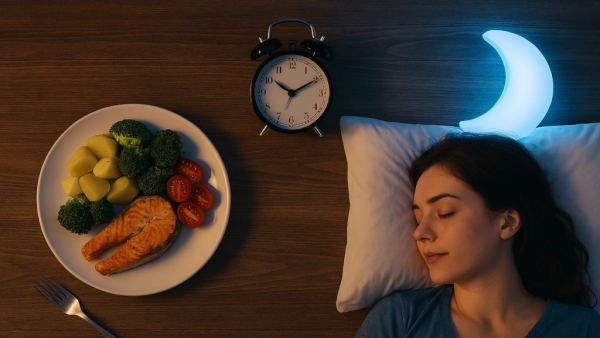
It is easy to think of sleep as something controlled solely by the mind, but a growing body of research suggests the gut plays a surprisingly influential role. The food you eat not only shapes your energy levels during the day but also determines how restfully you sleep at night. Scientists are now uncovering the complex ways in which the gut communicates with the brain, guiding your internal body clock, your mood and even your overnight recovery. As more evidence emerges, it’s becoming clear that what you eat in the evening can genuinely influence how well you sleep.
The gut is home to trillions of microbes that help regulate digestion, immunity and hormone production. New research shows they also influence sleep. A study by King’s College London found that even small irregularities in sleep timing were linked to measurable differences in gut bacteria, suggesting the microbiome responds quickly to disrupted sleep patterns. In a cohort of over 900 people, a change of just 90 minutes in sleep timing was associated with noticeable shifts in gut microbial composition.
This finding is significant because these microbial communities produce compounds that help regulate inflammation, metabolism and communication within the gut-brain axis. When the balance shifts, it may alter the brain signals that influence how deeply and consistently you sleep.
The relationship goes both ways. A 2023 study published in Frontiers in Microbiology used Mendelian randomization to examine the causal links between gut microbiota and sleep traits. It found that variations in the abundance of certain bacteria were linked to changes in sleep duration and pattern sleeps, and conversely, poor sleep also altered the distribution of key bacterial genera.
This suggests that a disrupted gut may contribute to fragmented or low-quality sleep, while consistent, restorative sleep can help maintain a healthier microbial balance. Your diet plays a major role in this, since what you eat determines which microbes thrive.
Food is one of the strongest forces shaping the gut microbiome, and different dietary patterns produce different sleep outcomes. Research using UK Biobank data found strong correlations between dietary habits, specific gut microbes and sleep duration or insomnia. Certain combinations, such as fat intake interacting with microbes like Collinsella, showed significant links with sleep quality.
This means your nightly rest doesn’t depend solely on avoiding caffeine before bed. The nutrients you consume earlier in the day – particularly fibre, plant-based foods and balanced meals – may help cultivate gut microbes that support more stable sleep.

Photo Credit: Pexels
By taking simple, mindful steps to nourish your gut, you may find that your nights become more restful and your days feel brighter.