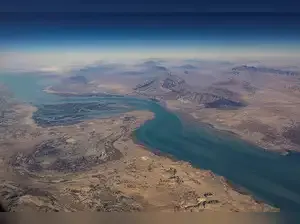
Is Iran charging $2 million as transit fees to let vessels pass Strait of Hormuz? The issue has gained attention as tensions rise in the region and shipping activity slows. A statement by an Iranian lawmaker has raised questions about new transit charges linked to war costs. The Strait of Hormuz remains a key route for global oil and gas supply, making any restriction or policy change important for world markets. At the same time, military actions, diplomatic talks, and warnings from major countries continue to shape the situation, with concerns over energy security, trade flow, and regional stability increasing.
Is Iran charging $2 million as transit fees to let vessels pass Strait of Hormuz?
The claim comes from an Iranian lawmaker who said some ships are being asked to pay up to $2 million for safe passage. However, there is no independent global confirmation of a formal policy. Reports indicate Iran is considering transit fees as part of a broader strategy to control the waterway during the conflict. The statement suggests a possible shift toward charging vessels amid war costs, but officials have not issued a clear nationwide rule. Current evidence points to limited or selective enforcement rather than a fully implemented system.
Iran lawmaker statement and claim on transit charges and new policy explained
A member of Iran’s national security committee, Alaeddin Boroujerdi, said some vessels are being charged up to $2 million. He linked the move to war-related costs and called it part of a new sovereign system. He said Iran has the right to collect transit fees from ships using the strait. The statement signals a shift in how Iran may manage the route during conflict.
Iran response and military signals
Iran’s leadership said the strait is open but not for countries it considers hostile. Officials warned that threats will be met with response. Iran’s military group warned that firms linked to the US could face action if energy sites are targeted. At the same time, Iran said it is open to working with global bodies to ensure safety at sea.
US position and diplomatic efforts
The United States said it has funds to continue military operations and may take further steps to meet its goals. Officials said actions may target Iran’s military capacity. Diplomatic talks are also ongoing. Turkey held discussions with Iran, the US, and European officials to explore ways to end the conflict.
Impact on global oil supply
Shipping data shows movement through the strait has slowed. The route carries about one fifth of global oil and gas supply. Many vessels are avoiding the area due to security risks. Countries have started using oil reserves as prices react to the situation.
FAQs
Q1. Is Iran charging $2 million as transit fees to let vessels pass Strait of Hormuz confirmed?
The claim comes from an Iranian lawmaker. There is no official global confirmation. The statement reflects a possible policy shift linked to war costs and control of the shipping route.
Q2. How does the Strait of Hormuz situation affect global oil supply?
The strait carries a large share of global oil. Reduced traffic and security risks can disrupt supply, increase prices, and force countries to use reserves while seeking alternate routes.
Is Iran charging $2 million as transit fees to let vessels pass Strait of Hormuz?
The claim comes from an Iranian lawmaker who said some ships are being asked to pay up to $2 million for safe passage. However, there is no independent global confirmation of a formal policy. Reports indicate Iran is considering transit fees as part of a broader strategy to control the waterway during the conflict. The statement suggests a possible shift toward charging vessels amid war costs, but officials have not issued a clear nationwide rule. Current evidence points to limited or selective enforcement rather than a fully implemented system.Iran lawmaker statement and claim on transit charges and new policy explained
A member of Iran’s national security committee, Alaeddin Boroujerdi, said some vessels are being charged up to $2 million. He linked the move to war-related costs and called it part of a new sovereign system. He said Iran has the right to collect transit fees from ships using the strait. The statement signals a shift in how Iran may manage the route during conflict.Iran response and military signals
Iran’s leadership said the strait is open but not for countries it considers hostile. Officials warned that threats will be met with response. Iran’s military group warned that firms linked to the US could face action if energy sites are targeted. At the same time, Iran said it is open to working with global bodies to ensure safety at sea.US position and diplomatic efforts
The United States said it has funds to continue military operations and may take further steps to meet its goals. Officials said actions may target Iran’s military capacity. Diplomatic talks are also ongoing. Turkey held discussions with Iran, the US, and European officials to explore ways to end the conflict.Impact on global oil supply
Shipping data shows movement through the strait has slowed. The route carries about one fifth of global oil and gas supply. Many vessels are avoiding the area due to security risks. Countries have started using oil reserves as prices react to the situation.FAQs
Q1. Is Iran charging $2 million as transit fees to let vessels pass Strait of Hormuz confirmed?
The claim comes from an Iranian lawmaker. There is no official global confirmation. The statement reflects a possible policy shift linked to war costs and control of the shipping route.
Q2. How does the Strait of Hormuz situation affect global oil supply?
The strait carries a large share of global oil. Reduced traffic and security risks can disrupt supply, increase prices, and force countries to use reserves while seeking alternate routes.