
As seasons shift, it’s not just humans who feel the change, your furry companion does too. From sudden temperature fluctuations to changes in humidity, seasonal transitions can quietly impact your dog’s health, behaviour and overall comfort. While some signs are easy to spot, others often go unnoticed until they become serious. So, how do you know if your dog is truly ready for the change? Here are key warning signs every pet parent should watch closely to ensure their four-legged friend stays happy, healthy and stress-free.
Pet First | 7 Simple Ways To Boost Your Pet’s Water Intake Daily And Prevent Dehydration

A noticeable shift in your dog's eating habits can be one of the earliest indicators that something isn't quite right. During seasonal transitions, dogs may eat less due to discomfort caused by temperature changes or mild infections. One the other hand, some dogs may eat more as their body tries to adjust to new energy demands. If your pet starts skipping meals, shows disinterest in food, or suddenly becomes overly hungry, it’s worth paying attention. Appetite changes can also signal digestive issues or stress triggered by environmental shifts.

Seasonal shedding is natural, but excessive hair fall or a dull, lifeless coat can indicate deeper issues. As weather changes, dogs tend to shed old fur to make way for a new coat suited to the climate. However, if you notice patchy hair loss, dryness, or unusual itchiness, it may be linked to allergies, poor nutrition or skin infections. Environmental triggers like dust, pollen and humidity can worsen these conditions. Regular grooming, a balanced diet rich in essential nutrients and proper hydration play a crucial role in maintaining coat health.

If your usually active dog suddenly becomes sluggish or uninterested in play, it could be a sign of seasonal fatigue or underlying illness. Weather changes can affect metabolism and energy levels, making dogs feel unusually tired. While occasional rest is normal, prolonged lethargy, excessive sleeping or lack of enthusiasm for walks should raise concern. These signs may indicate infections, joint discomfort or even early symptoms of viral conditions. Ensuring your dog gets adequate exercise, sunlight and mental stimulation is key.

Just like humans, dogs can experience seasonal allergies. If your pet starts sneezing frequently, develops watery eyes, or shows signs of nasal discharge, it may be reacting to environmental allergens such as pollen or dust. These symptoms are especially common during transitions between winter and summer or monsoon shifts. While mild cases may resolve on their own, persistent irritation can lead to infections or breathing difficulties. Keeping your dog’s surroundings clean, avoiding dusty areas and maintaining hygiene can reduce exposure.

Seasonal changes can disrupt your dog’s digestive system, leading to symptoms like vomiting, diarrhoea or bloating. Changes in temperature and humidity can affect food digestion and increase the risk of bacterial infections. Dogs may also consume contaminated water or spoiled food more easily during certain seasons. Even a slight imbalance in diet during this period can trigger stomach issues. Providing fresh food, clean water and avoiding sudden dietary changes can help maintain digestive health.

Unusual behaviour, including irritability, anxiety or restlessness, can be a subtle but important sign of seasonal stress. Dogs are highly sensitive to environmental changes, and shifts in temperature, daylight and routine can affect their mood. You may notice increased barking, withdrawal, or even aggression in some cases. These behavioural changes are often linked to discomfort, disrupted sleep patterns or physical unease. Maintaining a consistent routine, offering comfort and ensuring a calm environment can help your pet adjust better.
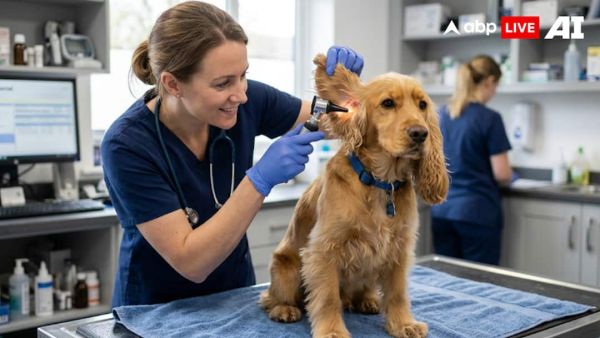
Seasonal transitions often bring a rise in bacterial and viral infections. Changes in weather can weaken a dog’s immune system, making them more vulnerable to illnesses. Skin infections, ear problems and respiratory issues are particularly common during these periods. Damp conditions, fluctuating temperatures and exposure to contaminated environments can all contribute to this risk. Regular vet check-ups, timely vaccinations and proper hygiene are essential to keep infections at bay.
[Disclaimer: The information provided in this article is intended for general informational purposes only. It is not a substitute for professional veterinary advice, diagnosis, or treatment. Always consult a qualified veterinarian regarding your pet’s health, diet, or any medical concerns.]