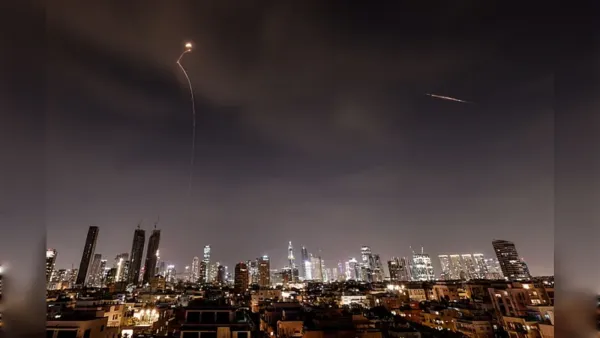
The United States–Israel–Iran conflict intensified on Monday, March 23, with Tehran signalling a broader response if its energy infrastructure is attacked, as military exchanges continued across the region.
Iran’s Islamic Revolutionary Guard Corps (IRGC) said any strike on its electricity sector would trigger direct retaliation against Israeli power facilities and sites supplying energy to US military bases.
The statement underscored a shift towards targeting critical infrastructure while dismissing claims that desalination plants in Gulf countries were under threat.

Russia said it opposes any blockade of the Strait of Hormuz, warning that such a move could destabilise global energy markets. Moscow added that developments must be assessed within the broader international context, reflecting concern over the conflict’s expanding impact.
Ebrahim Zolfaghari, spokesperson for Iran’s Khatam al-Anbiya Central Headquarters, mocked US President Donald Trump in a video message as the deadline for reopening the Strait of Hormuz approached, underscoring escalating rhetoric between the two sides.
“Hey Trump, YOU’RE FIRED! You’re familiar with this sentence. Thank you for your attention to this matter,” he said in English.
Saudi Arabia’s Ministry of Defense said it intercepted drones and a missile targeting Riyadh, while another projectile landed in an uninhabited area, highlighting the continued spillover of hostilities beyond primary conflict zones.
The United States reported strikes on Iran’s Qom Turbine Engine Production Plant, describing it as a key site involved in manufacturing components for drones and aircraft used by the IRGC.
A senior US military official said Iran has carried out more than 300 attacks on civilian locations across the region in recent weeks, describing the pattern as a sign of mounting pressure on Tehran.CENTCOM chief General Brad Cooper said the strikes increasingly appeared to target non-military areas, suggesting a shift in tactics as Iran’s capabilities weaken.
He added that the scale of missile and drone launches has declined since the early phase of the conflict, with recent attacks often limited in number
Multiple explosions were reported in Tehran following Israeli strikes, including in densely populated areas. A separate attack on a broadcast facility in southern Iran killed one person and injured another, according to state media.
Emergency teams were deployed to residential areas in Urmia after air strikes caused significant damage to buildings, with the extent of casualties yet to be confirmed.
Iran-backed Hezbollah said it carried out dozens of operations using rockets, drones and artillery against Israeli positions, signalling sustained pressure along the northern front.
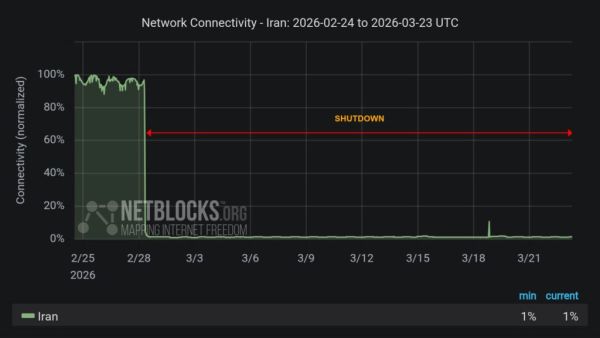
Data from NetBlocks showed a sharp collapse in Iran’s internet connectivity from late February, with access remaining near zero for weeks, suggesting a sustained nationwide shutdown amid the escalating conflict.
In a post on X, CENTCOM said the Qom Turbine Engine Production Plant manufactured gas turbine engines for attack drones and aircraft components used by Iran’s Islamic Revolutionary Guard Corps.
It released before-and-after images, with a March 6, 2026 photograph showing the site intact and a second image taken three days later revealing extensive damage following US airstrikes.
The conflict is increasingly affecting global energy dynamics. China’s state refiners are in talks with Iran to resume oil purchases under a temporary US sanctions waiver, while Australia and Singapore have agreed to strengthen cooperation on securing fuel supplies.
Efforts to protect maritime routes are under way, with a coalition of countries being formed to ensure safe navigation through the Strait of Hormuz amid fears of disruption.
The International Energy Agency (IEA) said the crisis poses a significant risk to the global economy, citing damage to energy infrastructure and the potential for prolonged supply disruptions.
Iranian officials also warned that financial and strategic assets linked to US operations could be considered legitimate targets, expanding concerns beyond direct military confrontation.
Demonstrations were held in several cities, where crowds condemned the US–Israel campaign and expressed support for the country’s leadership.