"I lost my mother because she could not reach hospital on time": The story of a man who has saved thousands of lives and why he is an inspiration
ETimes March 23, 2026 05:40 PM
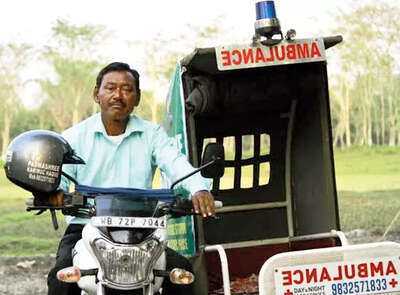 On the muddy roads of North Bengal, where an ambulance can mean the difference between panic and survival, Karimul Haque became something rare: a system built by one man. He was not a doctor, not a government official, and not a trained paramedic when his journey began. He was a tea garden worker with a motorcycle, a sharp memory of personal loss, and the stubborn belief that no one in his village should die because help arrived too late. Over time, that bike became an emergency lifeline for dozens of villages and turned Haque into the man many now know as “Ambulance Dada.” Scroll down to read more...
A tragedy that changed everything
The story behind Haque’s mission begins with a death he could not prevent. News accounts from the time say his mother died after he could not arrange an ambulance quickly enough, though the exact year varies across reporting, Haque told reporters he kept thinking afterward that no one in his village should have to face the same fate, and that thought pushed him toward a solution no one around him had imagined yet.
A motorbike becomes a rescue vehicle
In 1998, Haque bought a motorcycle and began using it as an improvised ambulance. At first, the idea sounded impossible to many around him. The roads in and around Dhalabari, in Jalpaiguri district , are rough, narrow and often cut off by weather and water. A full-sized ambulance can struggle there; a bike can thread through. That practical truth became the backbone of his work. He started ferrying sick villagers to hospitals for free, often riding through forests, damaged roads and difficult terrain that a larger vehicle could not easily cross.
The first patients, the first doubts
Early on, people laughed at him. Some thought he was seeking attention or had lost his way. That reaction did not last. Once villagers saw patients reaching care because of his bike, the mockery gave way to trust. By December 2016, reports described him as the only lifeline for around 20 villages in and around Dhalabari, where the nearest hospital was about 45 km away and the public health centre nearby lacked proper facilities. The same report noted that he also started helping with basic care and health camps, after training from local doctors.
More than transport: First aid, health camps and daily triage
Haque’s role grew beyond simply getting people to hospital. Reports say he learned basic first aid from local doctors, treated wounds, gave injections when needed, and organised health camps in tribal areas. By 2020, The Better India reported that he and his sons had also expanded into a more formal support model, including basic medical assistance, video consultations with doctors, and simple tests such as blood sugar and blood pressure checks. In other words, the bike was just the beginning. What he built around it was a grassroots health response designed around the needs of an underserved region.
Recognition arrived, but the work never stopped
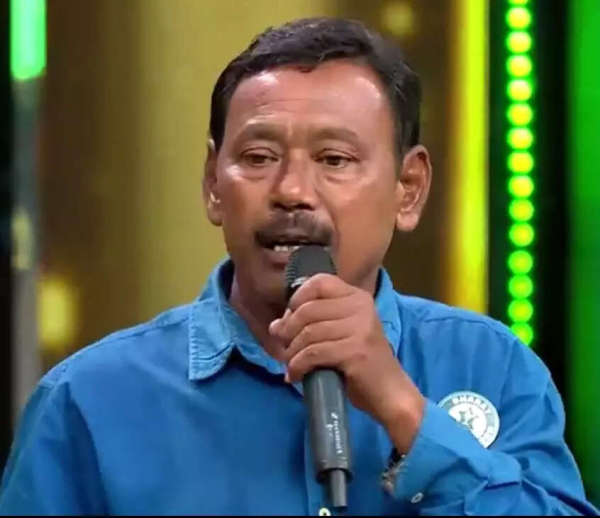
National recognition followed the service. The Padma Awards dashboard lists Karimul Haque among the 2017 Padma Shri awardees for social work, and contemporaneous reporting from January 2017 recorded the announcement of the honour. But the award did not change the fundamentals of his life. He still lived in the same ecosystem of remote villages, difficult roads and urgent calls. By 2017, reports suggest that he had already saved around 4,000 lives, while a later 2020 profile said he had ferried more than 5,500 patients over the years. The figures differ by date, but they point in the same direction: the scale of his work kept growing.
Haque’s story endures because it is not built on slogans. It is built on repetition: one call, one ride, one patient at a time. In places where emergency care can still feel far away, he found a way to move faster than despair. He also proved something larger about public service in India’s rural heartlands, that often, the first and most reliable response comes not from an institution, but from an individual willing to fill the gap. His motorcycle ambulance is more than a clever workaround. It is a reminder that compassion becomes most powerful when it is organised, disciplined and repeated every day.