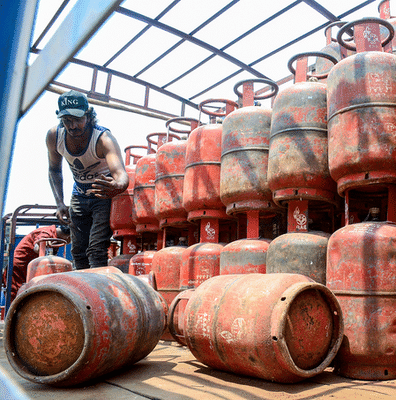
Two Indian-flagged ships carrying liquefied petroleum gas (LPG), Jag Vasant and Pine Gas, are currently passing through the strategically important Strait of Hormuz, raising hopes of easing LPG shortages in India amid ongoing regional tensions. The vessels began their journey early Monday from the UAE coast, sailing close to Iran's coastline near Qeshm and Larak islands, and are expected to reach the Gulf of Oman by Monday evening if their transit continues smoothly.
Ship-tracking data shows the vessels signalled Indian ownership as a precaution while navigating the sensitive route. Both ships had previously entered the Persian Gulf in late February but remained stranded due to heightened tensions following US and Israeli strikes. Jag Vasant had loaded LPG from Kuwait, while Pine Gas picked up cargo from Ruwais in the UAE. Earlier this month, two other IndianLPG carriers successfully completed similar transits.
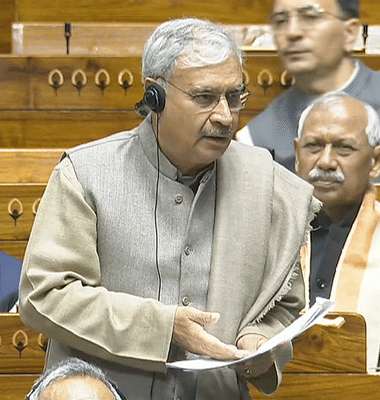
Speaking in the Lok Sabha on Monday, Prime Minister Narendra Modi highlighted India's strategic energy preparedness. "We have a strategic petroleum reserve of more than 53 lakh metric tonnes, and plans are underway to build another 65 lakh metric tonnes," he said.
He also noted that over the past 11 years, India's energy imports have been diversified, reducing dependence on any single nation. "Our refineries have seen sustained improvement. Today, we import from 41 countries compared to 27 countries in the past decade," PM Modi added.
The Prime Minister reiterated the government's commitment to ensuring uninterrupted supply of energy, including petrol, gas, and fertilisers, despite the ongoing West Asia conflict. He said authorities are closely monitoring shipping lines and maritime corridors to ensure smooth delivery of LPG, petrol, and fertilisers from source nations.
PM Modi also highlighted steps taken to safeguard India's agricultural sector: food reserves are adequate, fertiliser imports have been diversified, urea plants have been set up, organic farming is encouraged, and 22 lakh solar pumps have been provided to farmers. He emphasised development of alternative energy sources, including increased ethanol blending in petrol (20%), improved railway electrification, and expanded Metro networks (from 250 km to 1,100 km). The Centre has also provided 15,000 electric buses to states to boost electric mobility.
"The global economy is facing shockwaves due to tensions in West Asia, but our government is committed to cushioning citizens against any impact. All stakeholders are being consulted, and the collective effort of government and industry will help India sail through the crisis," PM Modi said.
(With inputs from IANS)