
National Car Parks (NCP) has confirmed that around 20 of its car parks will close for good. The company, which employs 682 people and manages 340 car parks across the UK, collapsed into administration earlier this month.
It has now told landlords and employees that around 20 car parks are "no longer commercially viable to operate". A source told Sky News that the closure of the sites will result in a "small" number of job losses. It has not been confirmed where the affected car parks are located.
As reported by Sky News, administrators concluded on Monday morning (March 23) that roughly 20 of NCP's car parks would shut for good. The company's performance has been deteriorating over several years.
The NCP estate is spread across town centres, train stations, airports and hospitals. The company has struggled in recent times due to home working and the increase of online shopping.
Bosses said the business had "insufficient cash available to meet its financial obligations and the directors have therefore taken the decision to appoint administrators". PwC was appointed join as administrator and said it would "engage with landlords", adding that a sale of "all or part of the business" is being considered.
As of September 30 last year, NCP had debts £305 million greater than the value of its assets. The firm said it had not recovered from the impact of Covid-19 and the rise in flexible working.
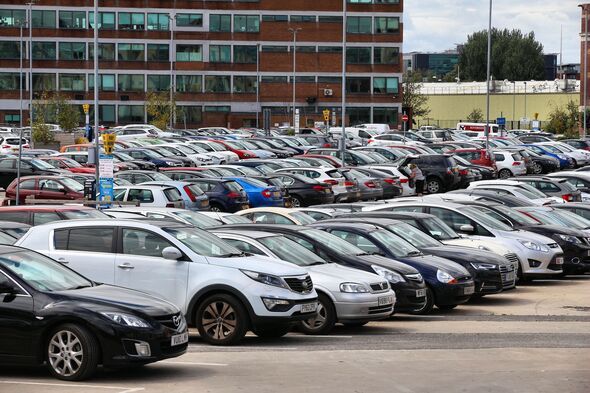
NCP was founded in 1931 and is one of the biggest car park operators in the UK. PwC said the firm had a "high concentration" of inflexible leases that prevented it from scrapping unprofitable car parks.
It's car parking charges vary depending on the location, with some central London sites costing up to £65 for 24 hours. In Manchester, some car parks can cost up to 333 for a 24-hour stay.
PwC said in a statement last week: "Continued shifts in commuting and customer driving patterns have impacted site occupancy, while the high concentration of long-term, inflexible leases has meant the company has been unable to reduce costs in line with revenue or to exit loss-making sites, resulting in ongoing trading losses."