Iran has categorically denied claims by US President Donald Trump of “productive conversations” between Washington and Tehran, asserting that no negotiations, direct or indirect, are taking place and vowing to continue its military posture until its objectives are met.
The sharp rebuttal comes hours after Trump announced a five-day pause on planned US strikes against Iranian energy infrastructure, citing “constructive” discussions aimed at resolving hostilities.
Iran’s Foreign Ministry dismissed Trump’s statement, saying Tehran maintains its position of rejecting any negotiations before achieving its war objectives.
“There are no direct communications with the United States, nor through intermediaries,” Iranian media quoted sources as saying.
An informed Iranian source further claimed that Trump’s move to pause strikes reflects pressure rather than progress.
“A senior security official says Trump withdrew after Iran’s credible military threats and rising financial pressures in the US and the West,” the source said, adding that from the outset of what it described as “US-Israeli aggression,” Tehran had conveyed through mediators that it would continue defending itself until deterrence is achieved.
Ebrahim Rezaei, spokesperson for Iran’s National Security and Foreign Policy Commission, struck a combative tone.
“The battle continues… and another defeat for the devil. Trump and the United States have once again been defeated,” he said.
Iranian media also reported that Trump’s announcement came after Tehran warned it could target power plants across West Asia, framing the US pause as a climbdown.
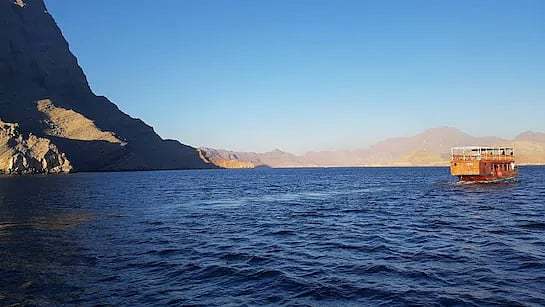
Iran reiterated that its position on the Strait of Hormuz remains unchanged.
“The Strait will remain closed to those attacking Iran,” officials said, adding that it will not return to pre-war conditions as long as “psychological warfare continues”.
Sources also stressed that “negotiations are not happening, and psychological warfare won’t restore the Strait of Hormuz or stabilise energy markets,” signalling continued disruption risks.
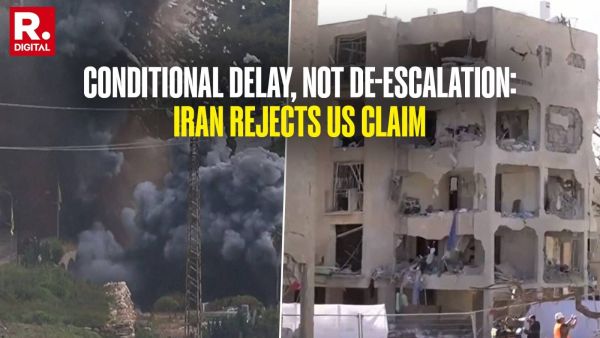
Iran interpreted Trump’s five-day pause not as de-escalation but as a conditional delay.
“Trump’s five-day ultimatum only underscores ongoing plans for attacks, which Iran will respond to with full-scale defense,” the informed source said.
The Iranian Foreign Ministry acknowledged that regional countries have attempted to mediate and reduce tensions but shifted responsibility to Washington.
“There have been initiatives by regional countries to reduce tensions, and our response to all of them is clear: we are not the party that started this war, and all such requests should be directed to Washington,” the ministry said.
Trump, in his statement, had said the US and Iran held “in depth, detailed, and constructive conversations” over two days and that discussions would continue through the week.
He also announced that planned strikes on Iranian power plants and energy infrastructure would be postponed for five days, depending on the outcome of talks.
However, with Tehran flatly denying any dialogue and signalling readiness for escalation, the situation points to deepening tensions rather than any immediate breakthrough, with the Strait of Hormuz emerging as a critical flashpoint for global energy security.