Rachel Reeves has been warned that her plans for a UK holiday tax could "decimate" domestic tourism and cost up to 33,000 jobs. The Chancellor confirmed that English regional mayors will be handed powers to introduce visitor levies on overnight stays in hotels, Airbnbs and holiday lets in last year's autumn Budget. The plans, which mirror similar schemes in Scotland and Wales, were designed to raise money for local infrastructure and transport, with cities including London and Liverpool already signalling interest.
The UKHospitality trade body, which has opposed the move at every turn, warned Ms Reeves this week that it could see holidaymakers taxed an extra £1.6 billion and cost up to 33,000 jobs by 2030. If local councillors and mayors impose the maximum 5% levy, tourist spending could also drop by as much as £1.8 billion, and the number of overnight stays fall by 12 million, according to commissioned research by Oxford Economics.
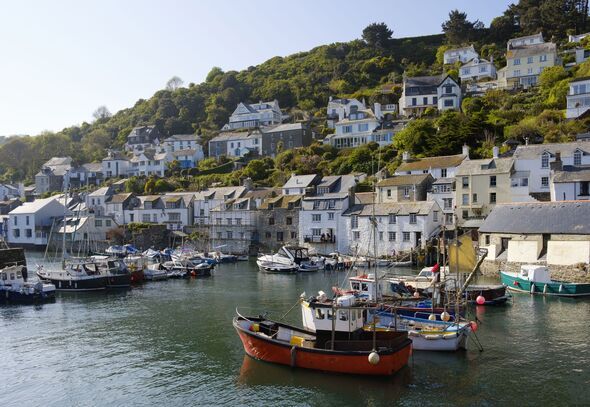
Allen Simpson, chief executive of UKHospitality, said: "The numbers are clear. A holiday tax would hike costs for Brits, make staycations more expensive and decimate tourism.
"There are no winners from a holiday tax. From coastal communities and city centres to local guesthouses, pubs and taxi firms, the impacts are stark and indiscriminate. Taxes up, jobs lost and our high streets hit once again."
He also reiterated the trade body's insistence that "holidays are for relaxing, not taxing", as stated in a letter to Ms Reeves signed by 200 bosses of UK-led accommodation firms in February.
In it, they warned that the holiday tax will make UK breaks "unaffordable", forcing families to "shorten trips, forgo a break altogether, reduce their spending with pubs, restaurants, events, leisure activities and local attractions or travel overseas - spending their money and creating jobs elsewhere".
Matthew Dass, of Oxford Economics, also said the advisory company's modelling showed that the tax will have a "clear economic impact".
He added: "Across the wider economy, the policy is likely to have negative consequences. The additional revenue generated by the tax will be outweighted by reduced economic activity, as higher costs dampen tourism demand, ultimately to a loss in GDP.
"With England already operating at the upper end of VAT rates, an additional tax would further weaken the country's competitiveness relative to other destinations and place additional pressure on consumers."
The Government previously said the plans will "put more money into local priorities" and drive growth and investment in local economies. They also said new charges are expected to be "modest and in line with other countries", although "it is for mayors to consider the right level for their area".
HM Treasury has been contacted for comment.