Delhi Chief Minister Rekha Gupta on Tuesday presented the National Capital Territory’s Budget for 2026–27, unveiling a Rs 1,03,700 crore financial plan that blends welfare measures with a strong environmental focus. Among the key highlights was the announcement of free LPG cylinders for households during major festivals, alongside a broader push to position the capital’s finances around sustainability.
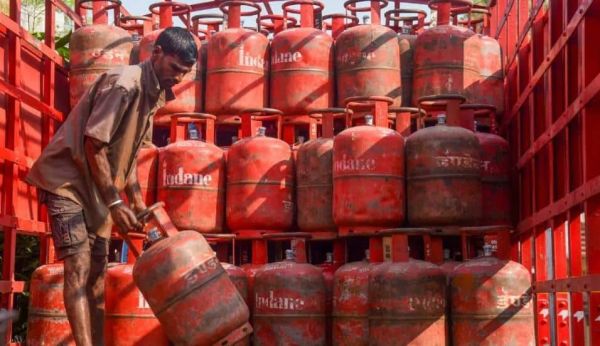
The government announced that every household in Delhi will receive two free LPG cylinders annually—one during Holi and another during Diwali.
A budgetary allocation of Rs 260 crore has been set aside for the scheme, which Gupta said is aimed at easing financial pressure on families during festive periods. The move is expected to benefit a large section of residents amid rising household expenses.
The budget earmarks Rs 11,666 crore for the Municipal Corporation of Delhi (MCD), underlining the administration’s intent to strengthen urban infrastructure and public services.
The allocation is seen as part of a broader effort to improve civic amenities, including sanitation, roads, and local governance systems in the capital.
Gupta emphasised that the 2026–27 budget has been designed as a “green budget,” with 21% of the total outlay dedicated to environmental initiatives, as reported by Hindustan Times. She said policies have been framed with sustainability at their core.
The approach reflects a shift toward integrating ecological considerations into economic planning, as Delhi continues to grapple with pollution and climate challenges.
Highlighting the capital’s economic standing, Gupta noted that Delhi’s per capita income ranks among the highest in the country. She projected tax revenues at Rs 74,000 crore for the coming fiscal year.
According to the Chief Minister, the city is at a critical juncture where economic growth must align with environmental responsibility, ensuring long-term stability.
In her address, Gupta also criticised the previous administration led by Arvind Kejriwal, accusing it of promoting a “culture of freebies” that hindered growth.
She pointed to a dip in revenue collections between 2018 and 2020 as an example of the negative impact of such policies, drawing a contrast with her government’s approach.