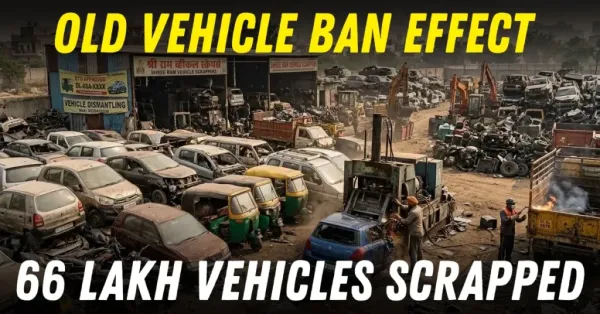
The strict enforcement of vehicle age limits in the national capital has led to the removal of a massive chunk of older cars and two wheelers. Authorities in Delhi have deregistered over 66.2 lakh overage vehicles up to March 2026. This extensive clean up is the direct result of the National Green Tribunal mandate, which completely bans the use of diesel vehicles older than 10 years and petrol vehicles older than 15 years.
When a vehicle crosses these specific age thresholds in the city, it automatically loses its legal right to operate. The transport department cancels its registration, making it illegal to drive on public roads. These vehicles are then largely forced into the scrapping ecosystem or transferred to other states where the age limits do not apply.
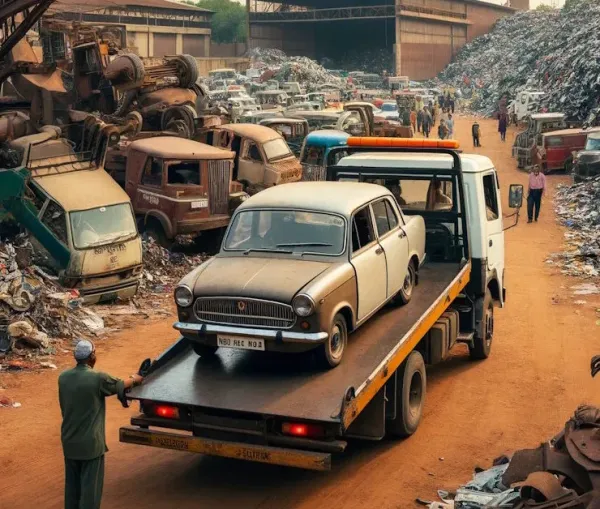
Despite pulling over 66 lakh older vehicles off the system, the actual number of vehicles on the road is not shrinking. The removal of overage cars and bikes is simply being outpaced by a massive wave of new vehicle registrations. According to the latest Economic Survey data, the total number of active motor vehicles in Delhi stood at 87.6 lakh as of March 19, 2026.
This represents a 7.9 percent growth compared to the 81.2 lakh active vehicles recorded during the 2024 to 2025 period. The math is simple but striking. For every old vehicle that gets its paperwork cancelled and goes to the scrapyard, more than one new vehicle is being purchased and registered by consumers.
This rapid addition of new vehicles has pushed the city vehicle density to new highs. There are now 522 motor vehicles for every 1,000 residents, a significant jump from the 484 vehicles per 1,000 residents recorded just a year earlier. This steady rise highlights a deep and growing reliance on personal transport.
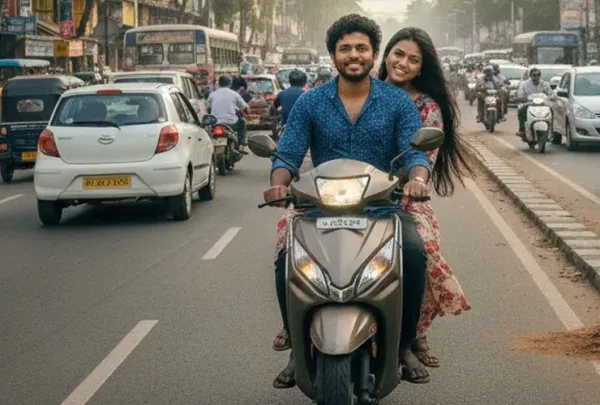
A closer look at the 87.6 lakh active vehicles reveals what people are actually buying to replace their older rides. Two wheelers remain the undisputed choice for the masses.
Motorcycles and scooters currently account for nearly 68 percent of all registered vehicles in the city. They offer the cheapest and fastest way to navigate heavy traffic, making them the default replacement option for thousands of commuters.
Cars and jeeps make up a much smaller but still significant portion, holding about 24 percent of the total vehicle population. While private ownership continues to surge across both two and four-wheeler categories, the public transport sector presents a completely different picture.
The data shows very limited expansion in the number of buses and taxis. This lack of growth in shared mobility forces more commuters to rely on their own vehicles, feeding the cycle of new purchases.
The massive deregistration drive did manage to shrink the total vehicle count temporarily a few years ago. During the 2021 to 2022 period, the combined effect of the pandemic and the aggressive cancellation of old registrations brought the total vehicle count down to about 79.2 lakh.
However, that dip was short lived. The numbers recovered steadily through 2023 and 2024, culminating in the strong rebound seen in early 2026. The data clearly shows that while strict age limits are effective at clearing out older, more polluting engines, they do not stop the overall vehicle population from expanding as long as the demand for personal mobility remains unchecked.