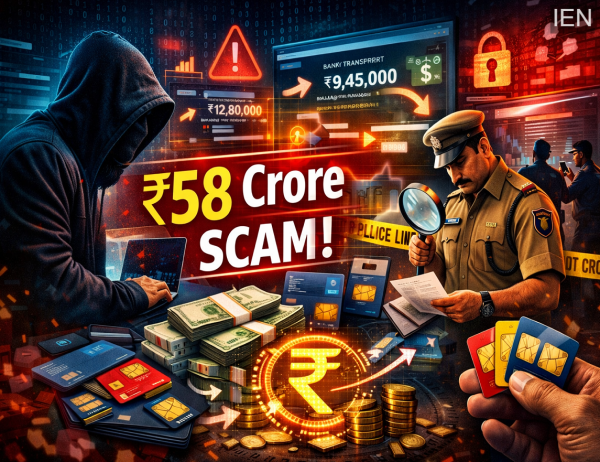
A major cyber fraud network worth ₹58 crore has been uncovered in Balrampur, exposing a highly organized scam that operated across multiple states. The police have arrested five accused so far, but the investigation suggests that the network could be much larger and more complex.
This case highlights a growing threat in India’s digital ecosystem—misuse of rented bank accounts and SIM cards to carry out financial fraud.
According to police investigations, the fraudsters used a clever but dangerous method:
👉 This created a layered system that made it difficult for authorities to trace the real masterminds.
The gang was not limited to one region. It had links across several states in India, making it a pan-India cybercrime operation.
This method is commonly known as money layering, used to erase transaction trails.
The accused reportedly created:
using forged identity documents. This added another layer of anonymity, making tracking extremely challenging for investigators.
In a surprising twist, the gang used courier services to move sensitive materials:
These were hidden inside sweet boxes to avoid suspicion during delivery. This tactic shows the level of planning and coordination involved.
So far:
Authorities believe the actual amount could be even higher as the investigation continues.
The police have:
More arrests are expected as the probe expands.
This case serves as a serious warning. Here are some important precautions:
Do not allow anyone to use your bank account, even for money.
SIM cards linked to your identity can be misused for illegal activities.
If someone offers money for using your account, it’s likely a scam.
Always cross-check before investing in any online scheme.
Immediately inform your bank or cybercrime portal if you notice unusual transactions.
The ₹58 crore cyber fraud case from Balrampur highlights how criminals are evolving with technology. While digital platforms offer convenience, they also require increased awareness and caution.
Staying informed and vigilant is the best way to protect yourself from becoming a victim of such scams.