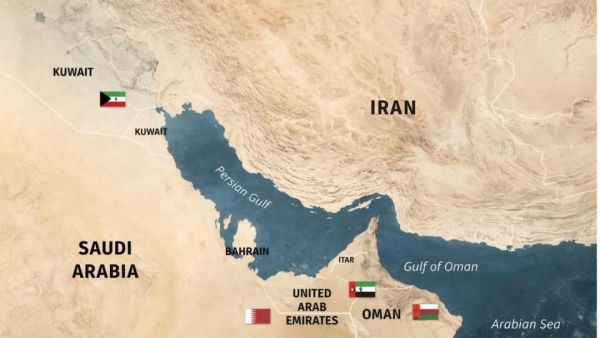
The Strait of Hormuz has remained in focus for the past month as tensions in West Asia continue to raise concerns about global oil supplies and shipping routes. Nearly one-fifth of the world’s oil passes through this narrow waterway, making it one of the most critical trade corridors. Every time the region faces instability, questions emerge about why an alternative route has never been built. While it may appear simple on a map to create another passage, experts say geography, cost, and political complications make replacing the strait extremely difficult even today.
The Strait of Hormuz connects the Persian Gulf to the Arabian Sea and is used by some of the world’s largest oil producers.
Key facts about the route:
Because of this dependence, any conflict in the region quickly becomes a global economic concern.
Some countries have built pipelines to reduce reliance on the strait, but these cannot fully replace tanker traffic.
Building a new sea route is far more complicated than it looks. The surrounding region includes rugged mountains, desert terrain, and tightly drawn national borders, making canal construction technically difficult and extremely expensive.
Any new route would also require agreement between several countries, raising concerns about security, sovereignty, and control of the passage.
Because of these geographical, economic, and political hurdles, the Strait of Hormuz remains irreplaceable, which is why it returns to the global spotlight every time tensions rise in the region.