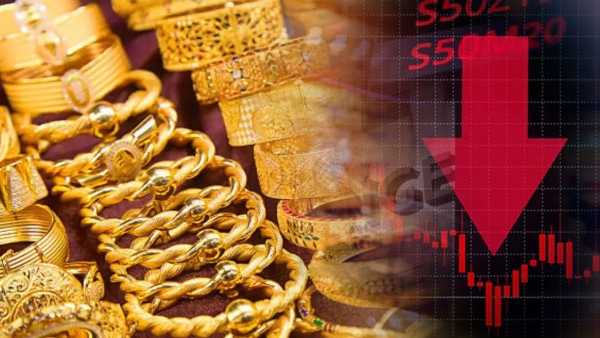
Even though the price of gold has seen an increase of Rs 5,000 per ten grams in the futures market of the country, but if seen overall, it will be under pressure in the year 2026. That too when there is tremendous political tension going on all over the world. In such a situation, the demand for safe haven should be high. But this did not happen. The special thing is that gold is currently more than 25 percent below its peak.
Now the biggest question is whether the era of gold is over? Is gold's safe haven crown in danger? After all, what are the reasons due to which there is pressure in gold prices? Experts believe that the combination of need for cash, changing monetary expectations and disruptions in logistics have led to this decline. Let us discuss about it in detail…
The main reason for this decline is the race for cash among global investors. As uncertainty over the Middle East conflict deepens, market participants are selling assets to recoup their losses and conserve cash. Gold – which has seen a massive rise over the past year – was among the first assets to be sold, AFP reports.
This step is largely part of a strategy. By selling their gold and silver holdings, investors are increasingly raising US dollars, which is vital at a time when energy markets are under pressure. Oil prices have skyrocketed due to blockages in key supply routes – including the Strait of Hormuz – as well as attacks on energy infrastructure in the Gulf region. This has increased the demand for dollar cash, due to which the selling of precious metals has become even faster.
Gold, which had crossed the $5,500 an ounce level in early 2026 amid geopolitical tensions and macroeconomic concerns, has now fallen to around $4,550. Silver has followed a similar trend, falling well below its recent highs. If we talk about India, on January 29, the price of gold on MCX was at its peak at Rs 1,93,096 per ten grams. Since then, the price of gold has fallen by more than 25 percent i.e. about Rs 49 thousand. At the same time, the price of silver has fallen by Rs 1.85 lakh from its peak.
Another important reason behind the fall of gold is the changing outlook regarding global interest rates. AFP emphasizes that rising energy prices are likely to lead to higher inflation, which may lead central banks – particularly the US Federal Reserve – to consider further tightening of their monetary policy.
High interest rates reduce the attractiveness of assets like gold which do not yield any income. As returns on cash and government bonds improve, investors often shift their focus from bullion. This equation has put downward pressure on gold prices, even though macroeconomic uncertainty still persists.
Silver—which has both monetary and industrial uses—has been hit harder by concerns about slowing global economic growth. Weakness in demand from sectors like electronics, solar energy and artificial intelligence infra has further increased the fall in silver prices.
Obstacles in the physical movement of precious metals are making the situation even more complicated. The ongoing conflict has affected the air transport routes to and from Dubai. Dubai is an important hub, through which about one-fifth of the total flow of gold and silver worldwide passes. This has caused temporary disruptions in traditional supply chains, particularly the movement of gold from London to Asian markets.
Due to disruptions at key transit points, buyers from key gold consuming regions have been sidelined, creating short-term imbalances in the market. The Middle East itself is an important source of demand for gold. Based on data from the World Gold Council, AFP has reported that last year this region accounted for about 10 percent of the private consumption of gold worldwide. Any disruption in this sector inevitably impacts markets around the world.
However, some analysts believe that the demand for gold has not ended, but has only been delayed. Whereas AFP indicates that when market flow is disrupted, prices adjust downwards in the short term. There was some volatility in the market due to profit-taking at the beginning of the year, and the recent selloff has further strengthened this trend. The recent fluctuations in prices have also sparked a wider debate about the credibility of gold as a 'safe haven'.
A sustained decline in prices within a short period of time could shake investors' confidence in the traditional role of gold in times of crisis. At present, the future of gold prices seems to depend on the interplay of many complex factors – such as liquidity needs, monetary policy expectations, and geopolitics. These are such factors which can maintain volatility in the market in the coming months also.