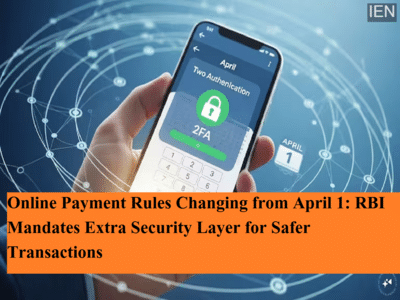
India’s digital payment system is set for a major upgrade from April 1, as new security rules come into effect. The Reserve Bank of India (RBI) has introduced stricter guidelines to make online transactions more secure and reduce the rising cases of fraud.
Under the new framework, every digital payment will require at least two levels of authentication, making transactions safer than before.
What Will Change from April 1?As per the new RBI guidelines, all digital transactions—whether through UPI, mobile wallets, or cards—must include two-factor authentication (2FA).
This means users will now need to verify their identity using two separate security methods before completing any payment.
What Are the Authentication Methods?The RBI has provided multiple options for authentication. These include:
Importantly, at least one authentication factor must be dynamic, meaning it is generated uniquely for each transaction (like an OTP).
More Choice for CustomersThe new rules also ensure flexibility for users. Banks, card networks, and fintech companies must now offer multiple authentication options, allowing customers to choose what works best for them.
For example, you may verify a transaction using:
This gives users both convenience and enhanced security.
Why Has RBI Introduced This Rule?The move comes amid a sharp rise in online payment frauds, including:
With digital payments growing rapidly in India, the RBI has strengthened security layers to protect users from financial losses.
Dynamic Security: A Key HighlightOne of the most important features of the new system is the requirement of a dynamic authentication factor.
This ensures that:
For cross-border transactions, similar authentication rules will also apply. However, these changes are scheduled to come into effect from October 1.
Key Benefits for UsersThe new rules will bring several advantages:
✔ Stronger ProtectionTwo layers of authentication significantly reduce the risk of fraud.
✔ Better ControlUsers will have more options to choose their preferred verification method.
✔ Safer Digital EcosystemThe overall trust in digital payments will improve, encouraging more users to go cashless.
Final ThoughtsWith digital transactions becoming a daily necessity, security is more important than ever. The RBI’s new two-factor authentication rule is a major step toward making online payments safer and more reliable.
While it may add a small extra step to your payment process, the added protection ensures that your money stays secure in an increasingly digital world.