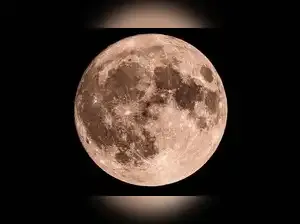
Moon phase today March 26 USA: As of Thursday, March 26, 2026, the Moon is in its Waxing Gibbous phase, with 56% of its surface illuminated. This phase signals we are approaching the Full Moon, giving skywatchers prime viewing opportunities over the coming nights. The Moon’s growing brightness reveals stunning surface features, from craters to mountain ranges, even visible to the naked eye. Enthusiasts can spot the Mares Fecunditatis, Crisum, and Vaporum, while binoculars unveil the Posidonius Crater and Alps Mountains. Telescopes offer even deeper views of the Rima Ariadaeus, Descartes Highlands, and the Caucasus Mountains.
For those planning ahead, the next Full Moon in North America is expected on April 1, 2026. Lunar enthusiasts will witness a fully illuminated Moon, ideal for astrophotography or simple stargazing. Understanding today’s Moon phase adds context to its changing appearance and helps observers track the Moon’s orbit around Earth.
Moon phases are determined by the Moon’s position relative to Earth and the Sun. The lunar cycle lasts about 29.5 days, during which the Moon passes through eight distinct phases. Each phase shows varying amounts of sunlight reflecting off the Moon’s surface, which is why its appearance changes nightly. For astronomers and casual stargazers alike, knowing the Moon phase helps predict the best nights for observation, photography, or even cultural and religious events tied to lunar cycles.
For telescope users, tonight’s Moon is perfect for detailed study. Features like the Rima Ariadaeus—a long, straight lunar rille—Descartes Highlands, and the Caucasus Mountains become visible. Each night leading to the Full Moon brings increased illumination, making lunar landscapes more pronounced.
Full Moons occur roughly once every 29.5 days, aligning with the lunar orbit. Observing the Moon tonight and in the coming nights allows viewers to compare the Waxing Gibbous with the Full Moon, noticing subtle differences in shadow, crater visibility, and surface brightness.
Each phase plays a key role in astronomy, agriculture, and cultural traditions. The Waxing Gibbous phase, for example, is associated with growth and preparation in many lunar calendars. Observers can also use the phase to plan telescope sessions, since the shadows cast by mountains and craters are most visible during partial illumination rather than a Full Moon, when lighting flattens surface details.
Tonight, March 26, 2026, the Moon is in its Waxing Gibbous phase with 56% of its surface illuminated. This level of brightness makes it easy to spot large lunar features like Mares Fecunditatis, Crisum, and Vaporum even without binoculars. The increasing illumination each night enhances visibility, providing excellent opportunities for stargazing and lunar photography leading up to the Full Moon.
2. When will the next full Moon occur in 2026?
The next Full Moon is expected on April 1, 2026, and it will be fully visible across North America with 100% illumination. Observers can compare the Waxing Gibbous Moon tonight with the Full Moon to notice subtle differences in surface shadows and crater visibility. Tracking the lunar phases helps enthusiasts plan viewing sessions and capture detailed observations of mountains, craters, and rilles on the Moon’s surface.
For those planning ahead, the next Full Moon in North America is expected on April 1, 2026. Lunar enthusiasts will witness a fully illuminated Moon, ideal for astrophotography or simple stargazing. Understanding today’s Moon phase adds context to its changing appearance and helps observers track the Moon’s orbit around Earth.
What is the Moon Phase today and why does it matter?
Today’s Moon phase, Waxing Gibbous, occurs after the First Quarter and before the Full Moon. The term “Waxing” means the illuminated portion is growing night by night. At 56% illumination, tonight’s Moon is more than half lit, offering excellent visibility of lunar surface details.Moon phases are determined by the Moon’s position relative to Earth and the Sun. The lunar cycle lasts about 29.5 days, during which the Moon passes through eight distinct phases. Each phase shows varying amounts of sunlight reflecting off the Moon’s surface, which is why its appearance changes nightly. For astronomers and casual stargazers alike, knowing the Moon phase helps predict the best nights for observation, photography, or even cultural and religious events tied to lunar cycles.
How will the Moon look tonight?
On March 26, 2026, the Waxing Gibbous Moon will appear as a bright, almost full disk in the night sky. Skywatchers can easily identify large maria—dark plains formed by ancient volcanic activity—including Mares Fecunditatis, Crisum, and Vaporum. Binoculars enhance the view, revealing craters such as Posidonius and the rugged Alps and Appennine Mountains.For telescope users, tonight’s Moon is perfect for detailed study. Features like the Rima Ariadaeus—a long, straight lunar rille—Descartes Highlands, and the Caucasus Mountains become visible. Each night leading to the Full Moon brings increased illumination, making lunar landscapes more pronounced.
When is the next full Moon in March and April 2026?
The Waxing Gibbous phase indicates the Moon is approaching fullness. In North America, skywatchers can mark April 1, 2026, as the night of the next Full Moon. On this night, 100% of the Moon’s surface will be illuminated, producing the classic bright circular appearance visible from all regions.Full Moons occur roughly once every 29.5 days, aligning with the lunar orbit. Observing the Moon tonight and in the coming nights allows viewers to compare the Waxing Gibbous with the Full Moon, noticing subtle differences in shadow, crater visibility, and surface brightness.
What are the different Moon phases and why are they important?
NASA explains that the Moon has eight distinct phases during its orbit around Earth. These phases result from sunlight hitting different portions of the Moon’s surface as seen from Earth. The phases include New Moon, Waxing Crescent, First Quarter, Waxing Gibbous, Full Moon, Waning Gibbous, Third Quarter, and Waning Crescent.Each phase plays a key role in astronomy, agriculture, and cultural traditions. The Waxing Gibbous phase, for example, is associated with growth and preparation in many lunar calendars. Observers can also use the phase to plan telescope sessions, since the shadows cast by mountains and craters are most visible during partial illumination rather than a Full Moon, when lighting flattens surface details.
FAQs:
1. How bright is the Moon tonight on March 26, 2026?Tonight, March 26, 2026, the Moon is in its Waxing Gibbous phase with 56% of its surface illuminated. This level of brightness makes it easy to spot large lunar features like Mares Fecunditatis, Crisum, and Vaporum even without binoculars. The increasing illumination each night enhances visibility, providing excellent opportunities for stargazing and lunar photography leading up to the Full Moon.
2. When will the next full Moon occur in 2026?
The next Full Moon is expected on April 1, 2026, and it will be fully visible across North America with 100% illumination. Observers can compare the Waxing Gibbous Moon tonight with the Full Moon to notice subtle differences in surface shadows and crater visibility. Tracking the lunar phases helps enthusiasts plan viewing sessions and capture detailed observations of mountains, craters, and rilles on the Moon’s surface.