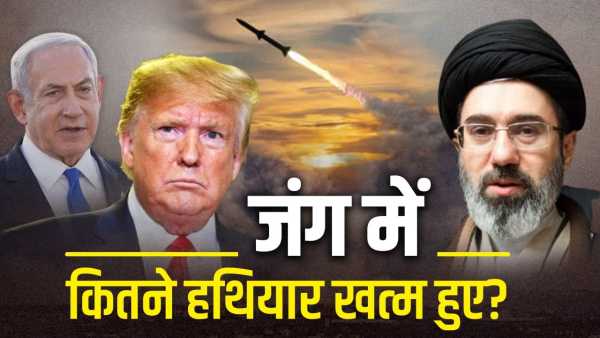
The ongoing war between America, Israel and Iran is about to complete one month. Iran is not ready to retreat. He clearly says that neither we have started the war, nor do we want to stop it. Iran has refused to accept any kind of pressure. Rather, Iran has set many conditions for ending the war. If you calculate the first 16 days of the war that started between Iran and America, you will find to what extent countries ranging from America-Israel to the Middle East lost their weapons. Overall the resource strength has weakened. Now America is retreating.
Let us try to understand, on the pretext of completion of almost a month of the war, how in the first fortnight itself the countries involved in the war became weak in terms of war resources? How much money was lost in the war? How many people were injured?
On February 28, 2026, America and Israel together launched a major military operation against Iran. The main objective of this attack was to eliminate Iran's leadership and destroy its missile making and launching capabilities. The initial attacks targeted key military and strategic targets in several cities such as Tehran, Qom, and Isfahan, including the office of Iran's Supreme Leader Ayatollah Ali Khamenei, causing significant losses to the military leadership, including Khamenei.
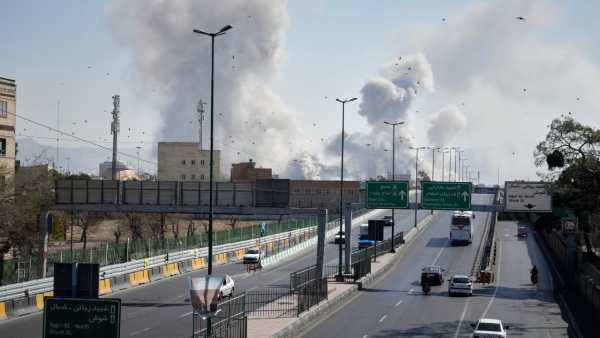
America's attack on Tehran.
Iran also took action in response to the attacks. Iran attacked Israel, US military bases in the Middle East and Gulf allied countries with hundreds of missiles and drones. Iran also closed the Strait of Hormuz, a vital sea route for oil supplies to the world. This retaliation spread the war throughout the region and created a serious regional crisis. The effects of this war were seen in many countries of the world in the form of inflation and energy crisis.
In the first 16 days of the war, America and its allies used more than 11 thousand modern weapons, the total cost of which was approximately 26 billion dollars. It is estimated that it will cost more than 50 billion dollars to replenish the stockpile of these weapons. By March 2, 2026, 6 American soldiers had been killed. In addition, 17 US bases in the Middle East suffered significant damage, estimated to cost $800 million.
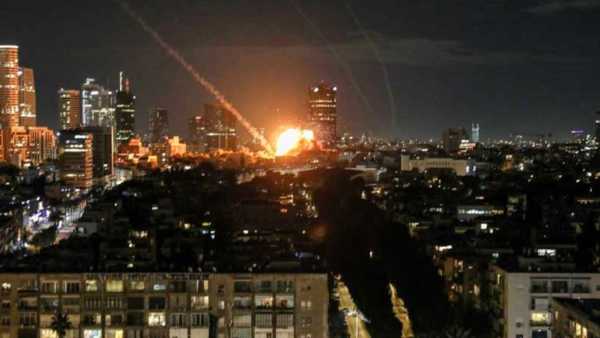
Iran's attack on Israel.
Iran was the direct target of this attack, but it responded immediately and extensively. Iran attacked American targets in Israel and Gulf countries with more than five hundred ballistic missiles and more than two thousand drones.
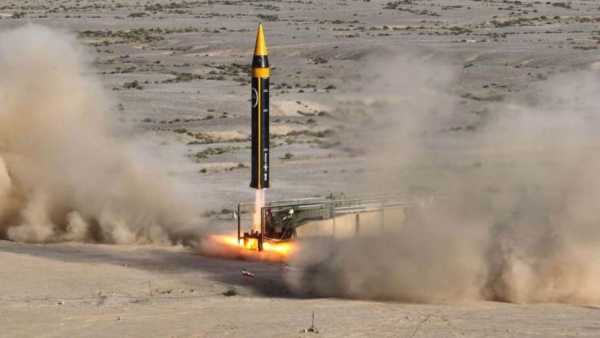
Iran's missile.
The initial attacks killed several top military commanders and officers, including Iran's Supreme Leader Ali Khamenei, dealing a huge blow to the Iranian government and military. According to the Iranian Health Ministry, more than 1900 people were killed and more than 24 thousand were injured in these attacks. In many other reports this number is stated to be even higher. More than 150 girl students died in the attack on a girls' school in Meenab city.
Israel started this campaign in collaboration with America under Operation Roaring Lion. Israel played an important role in targeting Iran's military bases and leadership. 23 Israeli citizens were killed and more than five thousand were injured in Iranian missile attacks. Apart from this, four Israeli soldiers were also killed. Israel's interceptor missile system lost 95 percent of its stock while defending against Iranian attacks, raising serious questions about its defensive capability.
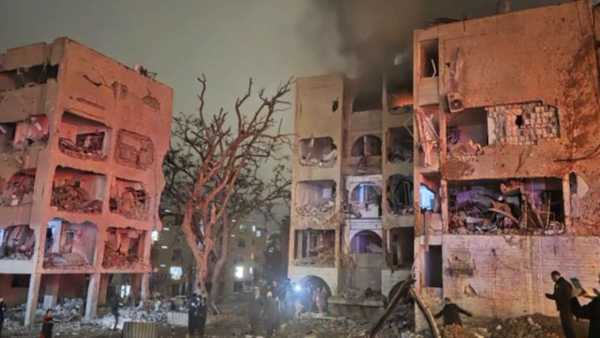
Iran attacks Arad and Dimona.
America's largest military base in Qatar is in Al Udeid, due to which it became the target of Iranian attacks. Iran launched a missile attack on Qatar's Ras Laffan gas plant, the world's largest liquefied natural gas producer. This attack caused huge damage to the plant and production stopped. Qatar is estimated to lose $20 billion in revenue annually due to this and may take up to five years to repair. Due to this incident, gas prices increased across the world.
Due to the presence of American military bases in all three countries, Iranian attacks took place here also. The American naval base located here in Bahrain was attacked. A missile also fell on a hotel in the capital Manama, causing many civilian casualties. There were drone and missile attacks on Dubai's Jebel Ali port and Abu Dhabi's Ruwais industrial complex. Iran also targeted American military bases like Camp Arifjan and Ali Al Salem in Kuwait. These countries have still not returned to normal.
There were also some attacks on Saudi Arabia and Oman, although they did not suffer as much damage as other Gulf countries. Saudi Arabia destroyed many missiles coming towards it in the air. Nevertheless, Saudi Arabia's oil production was affected. The largest refinery Ras Tanura also became a victim of drone attacks. A fire broke out there. Production had to be halted for a few days.
Modern and expensive weapons were used on a large scale in this war.
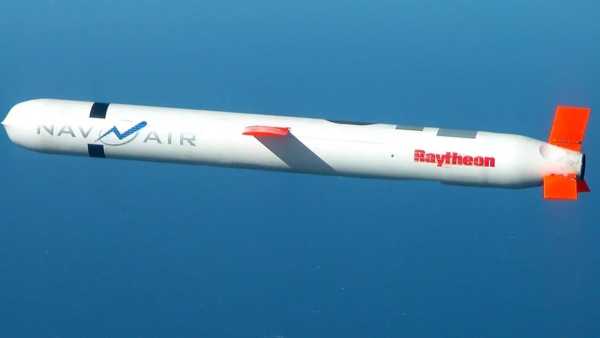
Tomahawk cruise missile.
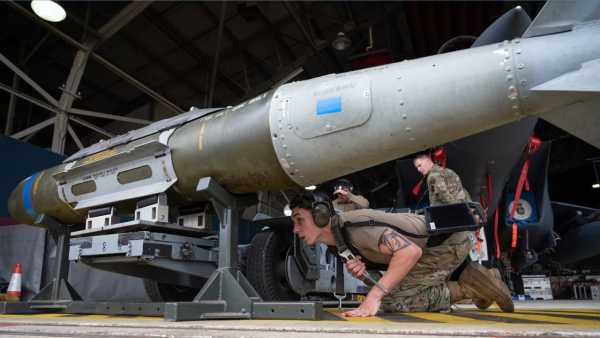
Joint Direct Attack Munition.
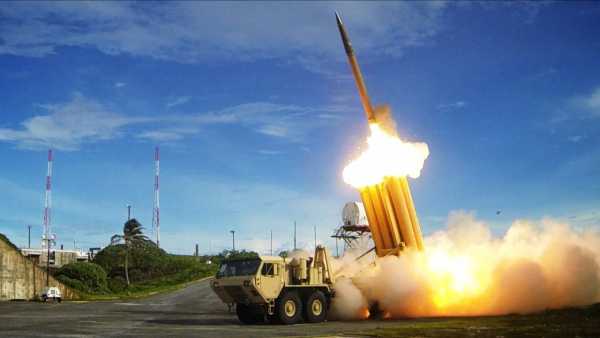
THAAD.
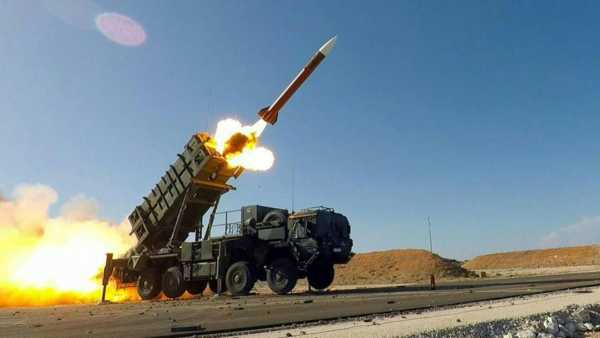
Patriot missile.
| Country | killed soldiers | civilians killed | Injured |
| iran | 1,167 | 5,890 | more than 24,800 |
| israel | 4 | 23 | 5,229 |
| America | 6 | 00 | more than 5 |
| lebanon | unknown | unknown | 3229 |
| UAE | 2 | 9 | 160 |
| Kuwait | 4 | 4 | 99 |
| Queue | 4 | 00 | 16 |
| saudi arabia | 00 | 02 | 16 |
| oman | 00 | 03 | 00 |
| bahrain | 00 | 03 | 38 |
(Note: Figures are taken from various sources and are approximate.)
This war exposed a major weakness of the Western countries. Their weapons are very expensive and their production is very slow. In the first 16 days itself, America and its allies used up a large part of their most advanced interceptor missiles.
A cheap drone from Iran costs about 35 thousand dollars, to shoot it down America had to use Patriot or other interceptor missiles worth millions of dollars. This cost-exchange ratio went against America and its allies.
In short, Operation Epic Fury achieved strategic successes, but it also exposed serious shortcomings in Western countries' military endurance and industrial preparedness.